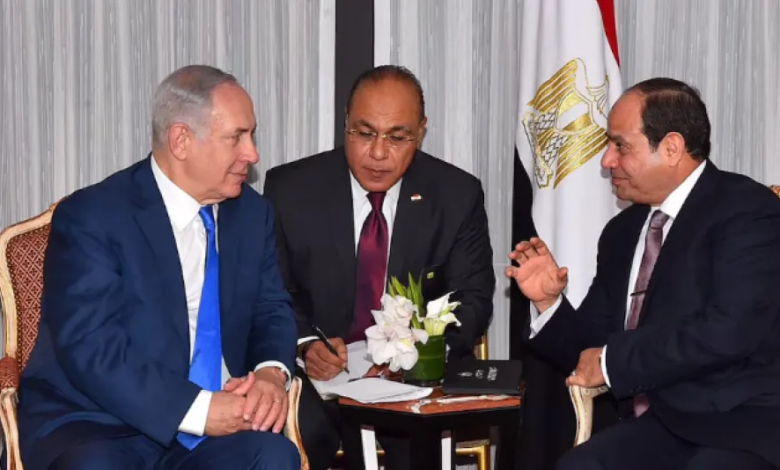

Escalating tensions in the Middle East, particularly those affecting relations between Egypt and Israel, raise fundamental questions about the fate and sustainability of the strategic energy agreements signed between the two countries. As geopolitical events unfold, economic and political analysts are turning their attention to the gas agreement, a cornerstone of current economic cooperation between the two nations, to assess the resilience of their shared economic interests in the face of political and security challenges.
Historical background: From signing to strategic partnership
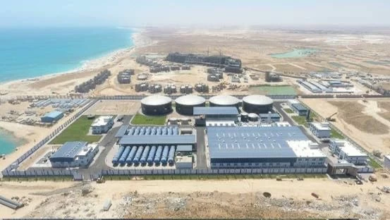
The roots of the current cooperation in the gas file go back to the huge agreements signed in 2018 worth more than $15 billion (and later increased), under which Israel began exporting natural gas from the Tamar and Leviathan fields to Egypt in early 2020. This agreement was not just a commercial deal, but was the cornerstone of Egypt’s ambition to become a regional energy hub, benefiting from its strong infrastructure, which includes the two gas liquefaction plants in Idku and Damietta, the only ones of their kind in the Eastern Mediterranean capable of exporting liquefied gas to Europe.
The importance of the agreement: Equating interdependence
This agreement is of paramount importance to both parties, making it difficult to easily abandon. For Egypt, Israeli gas represents a crucial source for meeting growing domestic energy demand, as well as a vital raw material for regasification and export, providing the country with much-needed hard currency. For Israel, Egypt is the most important and viable outlet for exporting its surplus gas production, given Israel's lack of independent infrastructure for liquefying and exporting gas to distant global markets.
International dimension: Europe and energy security
The future of this agreement cannot be understood in isolation from the international context, specifically the European energy crisis exacerbated by the Russian-Ukrainian war. The Eastern Mediterranean region, particularly through Egypt, has become a strategic alternative for Europe to reduce its dependence on Russian gas. This trend culminated in the signing of a trilateral memorandum of understanding in Cairo between Egypt, Israel, and the European Union to increase gas exports to Europe. This international dimension lends a degree of international protection to the agreement, as Western powers exert pressure to maintain energy flows and the stability of supply chains.
Security challenges and expected scenarios
Despite the agreement's economic strength, security risks remain. In times of conflict, gas field operators (such as Chevron) may be forced to temporarily halt production for security reasons, as has happened on several previous occasions, impacting the flow of gas to Egypt. However, experts believe that economic pragmatism often outweighs political differences in this particular case, given the high cost of any potential disruption to both countries' economies and to regional energy security.
In conclusion, while political tensions put diplomatic relations to the test, the gas agreement appears to have the potential to survive given the entanglement of local, regional and international interests, but it will remain vulnerable to fluctuations and pressures as the pace of security events in the region increases.