The impact of events in Venezuela on the Gaza agreement and ceasefire negotiations

Given the complex web of international relations, observers are raising serious questions about the impact of events in Venezuela and the escalating political crises in Latin America on the volatile issues of the Middle East, particularly the Gaza agreement. Despite the vast geographical distance between Caracas and the Gaza Strip, international politics recognizes not geographical boundaries as much as it recognizes the balance of power and the priorities of major players, foremost among them the United States.
General context: The Venezuelan crisis and US interest
Venezuela is experiencing intense political polarization, often following elections, which places it in the spotlight of international attention. For the United States, Venezuela is a traditional and vital sphere of influence due to its geographic location and vast oil reserves. Any major instability there necessitates intensive US diplomatic and political intervention, both to ensure energy security and to prevent the expansion of influence by rival international powers such as Russia and China in Washington's backyard.
Mechanism of influence: Diplomatic distraction
The answer to the question, “Will the events in Venezuela affect the Gaza agreement?” lies in the concept of “diversion of diplomatic attention.” The US administration is managing multiple and complex issues simultaneously, from the war in Ukraine to the tensions in Taiwan, and now the war in Gaza. A new crisis erupting in Venezuela would inevitably mean redirecting some diplomatic, political, and security resources toward Latin America. This preoccupation could diminish the momentum and pressure Washington is exerting on the parties involved in the Middle East to finalize the prisoner exchange deal and the ceasefire in Gaza, where the “Gaza agreement” requires careful and continuous US involvement to bridge the gaps between the parties.
Geopolitical and economic dimensions
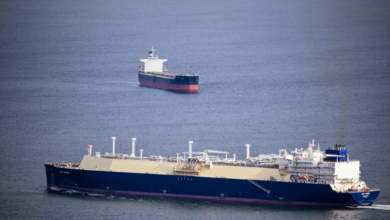
The economic dimension cannot be ignored; the stability of oil markets is a top priority for the global economy. Any tension in Venezuela could affect energy prices, adding a new burden to the US administration in an election year and potentially forcing it to make concessions or shift its foreign policy priorities to ensure domestic economic stability. This, in turn, could have a positive or negative impact on its engagement in the Gaza negotiations.
The clash of powers and its impact on solutions
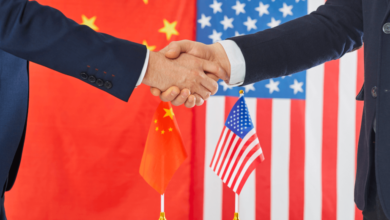
Moreover, international alignment plays a crucial role. The countries supporting the regime in Venezuela (such as Russia and China) are the same ones that take positions contrary to the US stance in the Security Council regarding Gaza. Escalating tensions in Venezuela could lead to a hardening of international positions, complicating the achievement of consensus in the Security Council or other international forums to support the "Gaza Agreement." Thus, events in Caracas, though seemingly distant, resonate within the diplomatic circles that shape the fateful decisions of the Middle East.