Conditions for importing olive seedlings and protection against xylella bacteria

Protecting food and agricultural security in the Kingdom
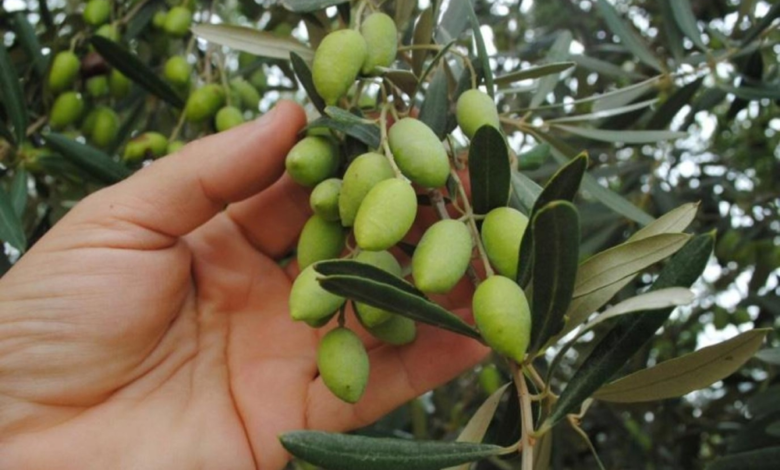
In a strategic move aimed at protecting the nation's agricultural wealth, the National Center for Plant Pest and Animal Disease Prevention and Control (Wiqa’) has approved a set of stringent requirements to regulate the import of olive seedlings and plants that host the bacterium Xylella fastidiosa. This proactive decision comes to strengthen the biosecurity system in the Kingdom of Saudi Arabia and ensure the application of the highest internationally recognized plant health standards, in line with the goals of Saudi Vision 2030 to achieve agricultural sustainability.
Historical background: Why Xylella fastidiosa bacteria?
The bacterium Xylella fastidiosa is one of the most dangerous agricultural pests worldwide. Historically, this bacterium has devastated millions of ancient olive trees in southern Europe, particularly in the Italian region of Puglia, causing what is known as "Olive Rapid Decline Syndrome." Transmitted by sap-sucking insects, the bacteria, once infecting a tree, block its water-carrying vessels, leading to desiccation and death. Since there is currently no effective treatment, preventative measures and strict quarantine are the first and most important line of defense.
Economic and local importance of the decision
Saudi Arabia has significant investments in the olive cultivation sector, particularly in the Al-Jawf region, which holds a Guinness World Record for the largest modern olive farm in the world. Therefore, any outbreak of this bacterium could be an economic and environmental disaster. Consequently, new regulations for agricultural projects permit the importation of olive seedlings only for replacement or conversion to advanced agricultural systems, with a strict prohibition on expanding into new areas beyond those currently under cultivation.
The four stages of importing seedlings
1. Pre-import procedures
The process begins with obtaining prior import authorization, which requires submitting a purchase invoice specifying the scientific name of the plants, and a separate application for each exporting country specifying the quantity, types, and import region. The importation of genetically modified (GMO) seedlings or those taken from genetically modified mother plants is strictly prohibited.
2. Export country requirements
The seedlings must come from nurseries certified by the National Plant Protection Organization in the country of origin, and these nurseries must be officially declared free of bacteria. The seedlings must also be completely soil-free and grown in sterile alternative growing media such as peat moss or perlite. Most importantly, the seedlings must undergo laboratory testing to confirm they are free of Xylella fastidiosa bacteria at least 15 days before shipment.
3. Screening upon arrival at ports of entry
Upon arrival of the shipment at Saudi ports of entry, a package of documents must be submitted, including: the bill of lading, certificate of origin, phytosanitary certificate with an additional declaration confirming the production area is free of bacteria, and a laboratory test report. Random samples are taken with a 95% confidence level and a 5% detection level according to the international standard (ISPM 31). In the event of any contamination, the Ministry of Environment, Water and Agriculture has the right to immediately suspend the permit and prevent the shipment's entry.
4. Strict agricultural quarantine (for two years)
If the seedlings pass the port inspection, they are transferred to special quarantine nurseries designated by the importer. The host plants of the bacteria, which include citrus (Citrus x aurantium), coffee (Coffea), oleander (Nerium oleander), olive (Olea europaea), polygala (Polygala myrtifolia), almond (Prunus dulcis), and grape (Vitis vinifera), are subject to a two-year monitoring program. This program includes six months in the licensed nursery, followed by 18 months at the permanent planting site, with the destruction of any plant showing symptoms of infection.
Waste management and prevention of overproduction
To ensure strict control, regulations mandate the collection and safe disposal of agricultural waste generated from handling seedlings. Furthermore, the use of vegetative or terminal cuttings for propagating these plants is prohibited until at least two years have passed since their entry into the Kingdom, thus eliminating any potential for disease transmission.