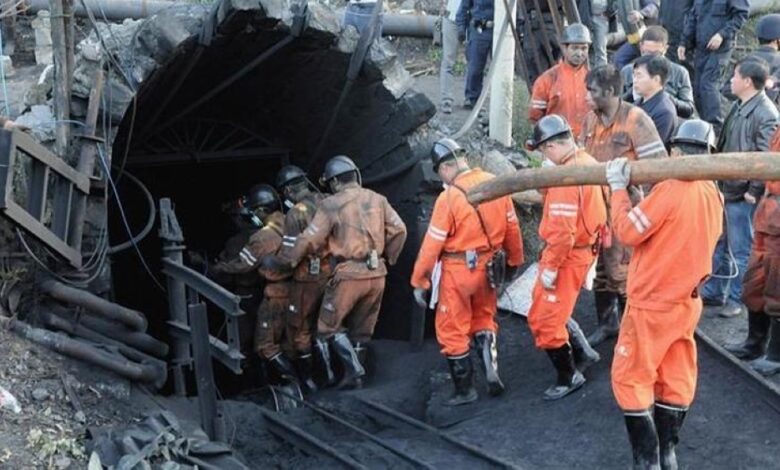

At least 18 people were killed in a tragic incident highlighting the dangers of unregulated mining, following an explosion at an illegal coal mine in the northeastern Indian state of Meghalaya. The incident, which occurred in a remote area, has reignited the debate surrounding illegal mining, which continues to proliferate in the region despite official bans.
Details of the incident and rescue efforts
Initial reports indicate that the explosion occurred suddenly, trapping workers inside narrow tunnels. Rescue teams and paramedics rushed to the mine site in the East Janitia Hills area immediately after receiving the report, where they began extensive and complex searches for other workers who may be trapped under the rubble or in the flooded passages. Rescue teams are facing significant challenges due to the rugged terrain and the narrow, rudimentary tunnels.
In the first official response, Konrad Sangma, the head of the local government in Meghalaya state, announced the opening of a thorough and comprehensive investigation into the incident to determine responsibilities and punish those involved in operating this illegal mine, stressing that the authorities will not tolerate activities that endanger the lives of citizens.
The phenomenon of "rat hole mining" and its deadly risks
This type of mining is known locally as "rat-hole mining," and involves narrow, vertical shafts dug into the earth, branching off into small side tunnels barely wide enough for one person to crawl through to extract coal. This primitive method lacks even the most basic safety and ventilation standards, leaving workers vulnerable to suffocation, landslides, or sudden groundwater intrusions, which explains the high death toll in such accidents.
Legal and environmental background
This incident comes despite the fact that India’s National Green Tribunal (NGT) had issued a firm ruling banning this type of mining in the state of Meghalaya since 2014. The ban came in response to complaints from local communities and environmental activists, as these mines had caused severe pollution of water sources and rivers, turning them acidic, in addition to the direct risks to the lives of workers.
Despite the federal ban, these activities continue on a large scale in secret, driven by local demand for coal and the economic needs of the population in those areas, putting Indian authorities in a constant challenge to enforce the law and protect lives and the environment at the same time.