
في خطوة استراتيجية بالغة الأهمية، وقّعت الهند والولايات المتحدة الأمريكية اتفاقية شراكة شاملة تهدف إلى تأمين سلاسل إمداد المعادن الحرجة والعناصر الأرضية النادرة. ويأتي هذا الاتفاق لتعميق التعاون الثنائي في قطاع حيوي، وتقليل الاعتماد العالمي على الصين التي تهيمن على هذا السوق، وضمان تدفق الموارد الأساسية اللازمة للصناعات المستقبلية كأشباه الموصلات، والسيارات الكهربائية، وتقنيات الطاقة النظيفة، والصناعات الدفاعية المتقدمة.
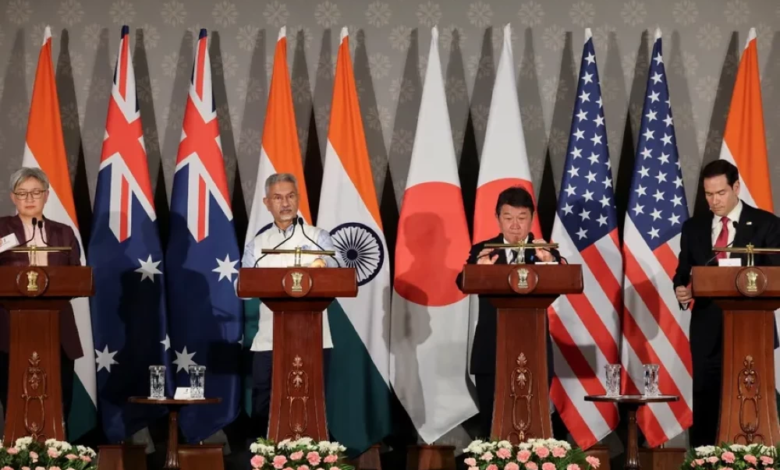
جرى توقيع الاتفاقية على هامش اجتماع وزراء خارجية التحالف الرباعي (كواد)، بحضور وزير الشؤون الخارجية الهندي، إس جايشانكار، ووزير الخارجية الأمريكي، أنتوني بلينكن. وتعكس هذه الخطوة تحولاً كبيراً في الديناميكيات الجيوسياسية، حيث تسعى الديمقراطيات الكبرى إلى بناء شبكات إمداد موثوقة ومستدامة بعيداً عن سيطرة المنافسين الاستراتيجيين.
السياق العام وأهمية المعادن الحرجة
تُعرَّف المعادن الحرجة بأنها مجموعة من العناصر المعدنية الضرورية للأمن الاقتصادي والوطني، ولكنها عرضة لاضطرابات سلاسل التوريد. وتشمل هذه القائمة معادن مثل الليثيوم والكوبالت والنيكل والجرافيت، بالإضافة إلى 17 عنصراً من العناصر الأرضية النادرة مثل النيوديميوم والديسبروسيوم، والتي تدخل في صناعة المغناطيس فائق القوة المستخدم في توربينات الرياح ومحركات السيارات الكهربائية، فضلاً عن تطبيقاتها في الهواتف الذكية والأقمار الصناعية وأنظمة توجيه الصواريخ. تاريخياً، هيمنت الصين على سوق هذه المعادن، ليس فقط في التعدين، بل بشكل أكبر في عمليات المعالجة والتكرير المعقدة، مما منحها نفوذاً هائلاً على الصناعات التكنولوجية العالمية.
أبعاد الاتفاقية وتأثيرها المتوقع
أوضح وزير الخارجية الهندي، إس جايشانكار، أن الإطار الثنائي الجديد يهدف إلى تعزيز التعاون المشترك عبر سلسلة القيمة الكاملة، بدءاً من عمليات التنقيب والتعدين، مروراً بالمعالجة والتكرير، وانتهاءً بإعادة التدوير وتشجيع الاستثمارات المشتركة في هذا القطاع. وأضاف أن الاتفاقية ستسهم في بناء سلاسل إمداد مرنة ومتنوعة، ودعم التمويل والإدارة الفعالة لهذه الموارد الحيوية، مما يعكس عمق الشراكة بين البلدين في مواجهة التحديات العالمية.
من جانبه، وصف وزير الخارجية الأمريكي، أنتوني بلينكن، الاتفاقية بأنها نموذج ملموس لتحالف استراتيجي يخدم المصالح الوطنية للبلدين. وأكد بلينكن أن الاقتصادات الابتكارية والنابضة بالحياة مثل أمريكا والهند لا يمكنها ترك المواد التأسيسية لصناعاتها عرضة لاحتكار مورد واحد، والذي قد يُستغل كنقطة ضغط ضد مصالحهما وسيادتهما الوطنية سواء في أوقات الأزمات أو السلم. على الصعيد الدولي، يُنظر إلى هذا التحالف كجزء من استراتيجية أوسع تُعرف بـ “الصداقة الآمنة” (friend-shoring)، والتي تهدف إلى نقل سلاسل التوريد إلى دول حليفة وموثوقة. ومن المتوقع أن يشجع هذا الاتفاق دولاً أخرى على الانضمام إلى مبادرات مماثلة، مما يعزز الأمن الاقتصادي العالمي ويخلق توازناً في سوق الموارد الاستراتيجية.