
In an urgent move aimed at protecting the country’s historical identity amid an unprecedented natural disaster, the Indonesian Ministry of Culture announced the allocation of a huge initial budget to restore archaeological and heritage sites that were severely damaged by the floods and landslides that recently struck the island of Sumatra.
Urgent rescue plan for heritage sites
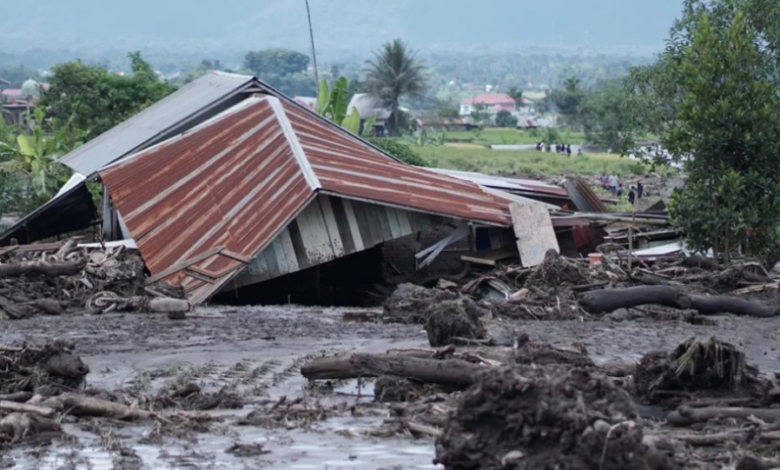
Indonesian Culture Minister Fadli Zon confirmed that the ministry has allocated nearly 11 billion rupiah (approximately US$659,000) to immediately begin cleaning and restoring damaged sites. This move comes in response to the widespread devastation caused by torrential rains in late November, which triggered catastrophic floods and landslides across the provinces of Aceh, North Sumatra, and West Sumatra.
Official reports indicate a worrying increase in the number of damaged heritage sites, jumping from an initial 43 to 70, before exceeding 100. Assessment teams faced significant difficulties reaching some of these sites due to road closures and the isolation of affected areas, suggesting that the extent of the damage may be even greater than what has been documented so far.
The human and material cost of the disaster
The losses extend far beyond the material and cultural heritage, constituting a major humanitarian tragedy. The death toll has risen dramatically to 1,090 as of Sunday, while 186 people remain missing. These figures reflect the scale of the disaster, one of the worst natural disasters to strike the Indonesian archipelago in recent years, presenting the government with immense challenges in relief and reconstruction efforts.
Geographical context and the importance of preserving heritage
Located within the Pacific Ring of Fire, Indonesia is constantly vulnerable to natural disasters, seismic and volcanic activity, as well as a tropical rainy season that often brings flooding. The island of Sumatra is of particular importance due to its rich cultural and historical diversity, encompassing a blend of Islamic, indigenous, and colonial heritage that forms an integral part of Indonesian national identity.
Restoration efforts are scheduled to begin early next week, with the ministry relying heavily on the participation of local communities. Engaging local residents is part of the government's strategy to raise awareness of the importance of heritage, as well as to provide temporary employment opportunities for those affected, thus contributing to the revitalization of the economies of the disaster-stricken areas, which depend heavily on cultural and ecotourism.