
أعلنت السلطات الإندونيسية، اليوم الجمعة، عن ارتفاع حصيلة ضحايا كارثة انهيار التربة التي ضربت منطقة جبلية في البلاد إلى 74 قتيلاً، في وقت تواصل فيه فرق الإنقاذ سباقها مع الزمن للعثور على المفقودين، رغم التحديات الكبيرة التي تفرضها الظروف الجوية القاسية وطبيعة التضاريس الوعرة.
تفاصيل الكارثة وجهود الإنقاذ
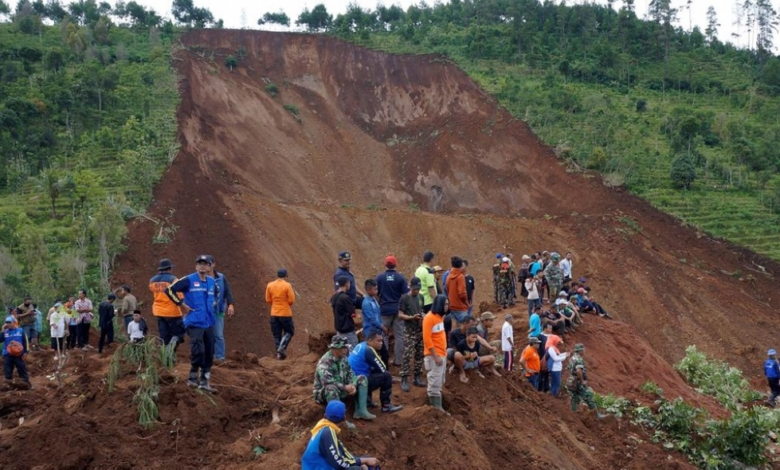
وكانت أمطار غزيرة قد هطلت في الرابع والعشرين من يناير الماضي، مما تسبب في انزلاق كتل ضخمة من التربة والأوحال لتطمر قرية جبلية في منطقة باندونغ غرب جزيرة جاوة الرئيسية. وقد ألحق الانهيار دماراً هائلاً بالبنية التحتية والمنازل، حيث طُمرت عشرات البيوت تحت الأنقاض، مما أجبر مئات السكان على الفرار بحثاً عن مناطق آمنة.
وتستمر عمليات البحث المضنية بمشاركة آلاف من عناصر الإنقاذ المدعومين بقوات من الشرطة والجيش ومتطوعين محليين. وتتم عمليات البحث عن الضحايا وسط الأوحال وبين الحطام باستخدام الآليات الثقيلة تارة، وبالحفر اليدوي تارة أخرى في المناطق التي يصعب وصول المعدات إليها. وأكدت وكالة البحث والإنقاذ في باندونغ أنه جرى التعرف رسمياً على هوية 74 ضحية حتى الآن.
تحديات مناخية تعيق العمليات
وفي تصريح صحفي، قال رئيس الوكالة، آدي ديان بيرمانا: "ما زال عدد من السكان على قائمة المفقودين، إذ لم يتم العثور عليهم بعد"، مشيراً إلى أن الأحوال الجوية تشكل العائق الرئيسي أمام تسريع وتيرة العمليات. وأوضح أن الضباب الكثيف المصحوب بأمطار مستمرة يغطي منطقة البحث، مما يؤثر بشكل كبير على مدى الرؤية ويزيد من مخاطر عدم استقرار الأرض، إلا أنه شدد على أن عمليات البحث ستستمر حتى العثور على جميع المفقودين.
خسائر في صفوف الجيش
وفي سياق متصل، كشفت البحرية الإندونيسية عن تفاصيل مأساوية تتعلق بضحايا المؤسسة العسكرية، حيث أفادت بأن 23 جندياً كانوا يجرون تدريبات في المنطقة استعداداً لانتشارهم على الحدود بين إندونيسيا وبابوا غينيا الجديدة، قضوا نحبهم في الكارثة. وكان هؤلاء الجنود من بين ضحايا انهيار التربة الذي ضرب قرية "باسيرلانغو"، مما يضيف بعداً وطنياً مؤلماً لهذه المأساة.
السياق الجغرافي والبيئي للكوارث في إندونيسيا
تعد إندونيسيا، وهي أرخبيل ضخم يضم أكثر من 17 ألف جزيرة، واحدة من أكثر دول العالم عرضة للكوارث الطبيعية. تقع البلاد على ما يعرف بـ"حزام النار" في المحيط الهادئ، مما يجعلها عرضة للزلازل والبراكين، فضلاً عن مناخها الاستوائي الذي يشهد مواسم أمطار غزيرة تمتد عادة من أكتوبر إلى أبريل. هذه العوامل الطبيعية، مجتمعة مع التضاريس الجبلية والتربة البركانية الهشة، تجعل من الانهيارات الأرضية والفيضانات ظاهرة متكررة تهدد حياة الملايين سنوياً.
تأثير العوامل البشرية وإزالة الغابات
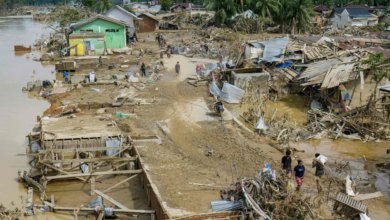
وإلى جانب العوامل الطبيعية، يشير الخبراء والمسؤولون الحكوميون إلى دور الأنشطة البشرية في تفاقم هذه الكوارث. وقد أشارت الحكومة الإندونيسية في أكثر من مناسبة إلى أن قطع الأحراج وإزالة الغابات بغرض الزراعة أو التوسع العمراني يلعب دوراً حاسماً في إضعاف تماسك التربة، مما يسهل حدوث الفيضانات والانهيارات الأرضية. ويستحضر هذا الحادث ذكريات كوارث سابقة، مثل تلك التي اجتاحت جزيرة سومطرة أواخر العام الماضي، والتي أودت بحياة نحو 1200 شخص وتسببت في نزوح أكثر من 240 ألفاً، مما يضع ملف حماية البيئة والتخطيط العمراني على رأس أولويات الأمن القومي في البلاد.