
أعلنت السلطات الإندونيسية، اليوم، عن ارتفاع مأساوي في حصيلة ضحايا الانهيار الأرضي المدمر الذي ضرب مقاطعة جاوة الغربية نهاية الأسبوع الماضي، حيث تأكدت وفاة 50 شخصاً حتى الآن، بينما لا تزال فرق الإنقاذ تسابق الزمن بحثاً عن 33 شخصاً آخرين لا يزالون في عداد المفقودين تحت الأنقاض والأوحال.
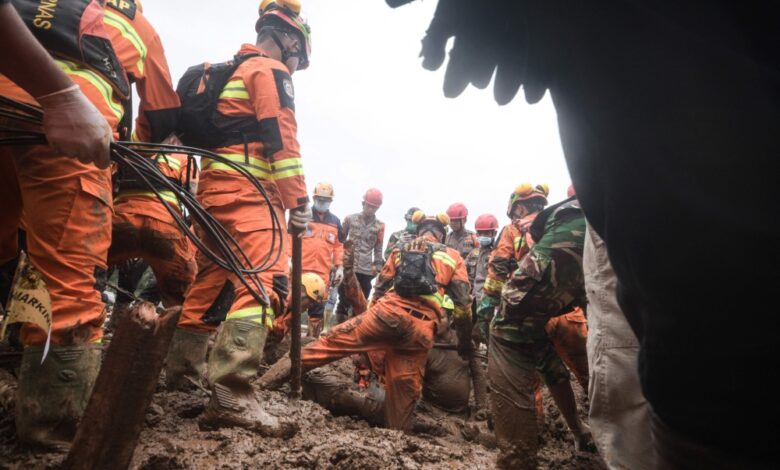
وأفادت الشرطة الإندونيسية في المقاطعة أن فريق التعرف على ضحايا الكوارث (DVI) قد تسلم رسمياً 50 جثة تم انتشالها من موقع الكارثة في منطقة "ويست باندونج". وجاء هذا الإعلان بعد جهود مضنية نفذتها فرق البحث والإنقاذ المشتركة (SAR) التي تضم عناصر من الجيش والشرطة ومتطوعين مدنيين. وأشارت التقارير الطبية إلى أنه تم تحديد هوية 34 ضحية من بين الجثث التي تم العثور عليها، وتسليمهم لذويهم لإتمام مراسم الدفن.
وفي تفاصيل مؤلمة حول الضحايا، أكدت البحرية الإندونيسية أن من بين الوفيات أربعة من عناصرها، لقوا حتفهم عندما جرفت كميات هائلة من الطين والحطام القرية السكنية إثر انهيار التل في ساعات الصباح الأولى من يوم السبت. وقد واجهت عمليات البحث تحديات جسيمة، حيث أوضحت السلطات أن الظروف الجوية المتقلبة وعدم استقرار التربة اضطرت الفرق الميدانية إلى تعليق العمليات مؤقتاً في عدة مناسبات حفاظاً على سلامة المنقذين من انهيارات ثانوية محتملة.
السياق الجغرافي والمناخي للكوارث في إندونيسيا
تأتي هذه الكارثة لتعيد تسليط الضوء على الطبيعة الجغرافية والمناخية لإندونيسيا، التي تعد أرخبيلاً شاسعاً يقع ضمن ما يعرف بـ "حزام النار" في المحيط الهادئ. وتتميز هذه المنطقة بنشاط زلزالي وبركاني كثيف، مما يجعل تضاريسها، وخاصة في جزيرة جاوة المكتظة بالسكان، عرضة لمخاطر جيولوجية مستمرة.
وغالباً ما تتفاقم هذه المخاطر خلال موسم الأمطار الموسمية، حيث تتشبع التربة البركانية الخصبة ولكن الهشة بالمياه، مما يؤدي إلى فقدان تماسكها وانزلاقها، خاصة في المناطق المنحدرة. وتعد الانهيارات الأرضية والفيضانات من الكوارث المتكررة التي تحصد أرواح العشرات سنوياً في البلاد، مما يضع أجهزة إدارة الكوارث الوطنية (BNPB) في حالة تأهب دائم.
التأثيرات البيئية والبشرية
إلى جانب العوامل الطبيعية، يشير خبراء البيئة إلى أن الأنشطة البشرية تلعب دوراً متزايداً في تفاقم حدة هذه الكوارث. فعمليات إزالة الغابات المستمرة لغرض الزراعة أو التوسع العمراني، بالإضافة إلى التعدين غير القانوني في بعض المناطق الجبلية، تؤدي إلى إزالة الغطاء النباتي الذي يعمل كمثبت طبيعي للتربة. هذا التدهور البيئي يجعل القرى والبلدات الواقعة أسفل التلال في مواجهة مباشرة مع خطر الانزلاقات الطينية المميتة، مما يستدعي مراجعة شاملة لسياسات التخطيط العمراني والحماية البيئية في المناطق المعرضة للخطر.