
China refuses to comply with US sanctions
China has announced its firm stance against complying with unilateral US sanctions imposed on several of its companies for importing Iranian oil. In a statement issued by the Chinese Ministry of Commerce, Beijing asserted that these measures lack any basis in international law and are not authorized by the United Nations. It emphasized that China will neither recognize nor comply with these sanctions and will take all necessary measures to protect the legitimate rights and interests of its companies.
Background to the conflict: US sanctions and Iranian oil
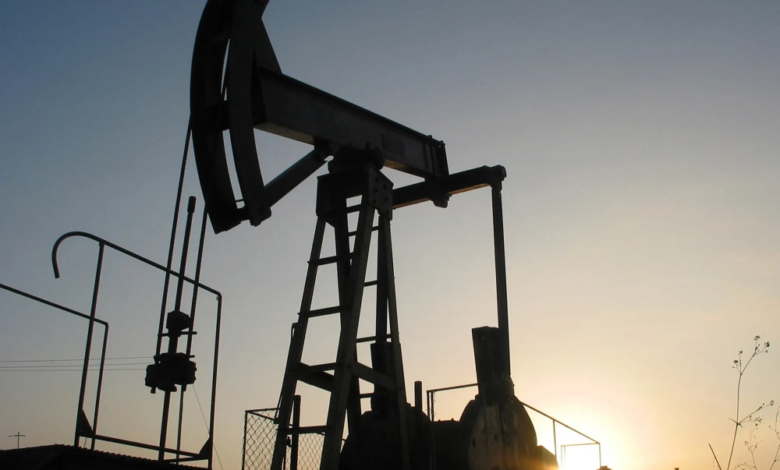
This tension stems from the previous US administration's 2018 decision to withdraw from the nuclear agreement (the Joint Comprehensive Plan of Action) and reimpose crippling economic sanctions on Iran as part of a "maximum pressure" campaign. These sanctions primarily target Iran's energy sector, the lifeblood of the country's economy, with the aim of reducing Tehran's oil export revenues to zero and forcing it to renegotiate its nuclear program and regional policies.
In this context, China has emerged as the largest buyer of Iranian oil, defying US sanctions. Beijing relies heavily on small, independent refineries known as “teapots.” These privately owned refineries are more flexible than the giant state-owned oil companies, allowing them to handle Iranian shipments sold at attractive discounted prices, thus circumventing the restrictions imposed by the US-dominated global financial system.
Importance and expected effects
The Chinese position carries significant strategic and economic dimensions on various levels. For Iran, the continued flow of oil to China provides a vital economic lifeline, helping Tehran withstand US pressure and undermining the effectiveness of sanctions. For China, securing oil at discounted prices bolsters its energy security and serves its vast, resource-hungry economy, while also asserting its foreign policy independence and rejecting US dominance in global trade.
At the international level, this dispute exacerbates already strained Sino-American relations. It also raises questions about the effectiveness of unilateral sanctions as a foreign policy tool in a multipolar world. The continuation of this trade strengthens the role of the so-called “dark fleet” of tankers operating outside official systems to transport sanctioned oil, increasing risks in international shipping lanes and impacting the stability of global energy markets.