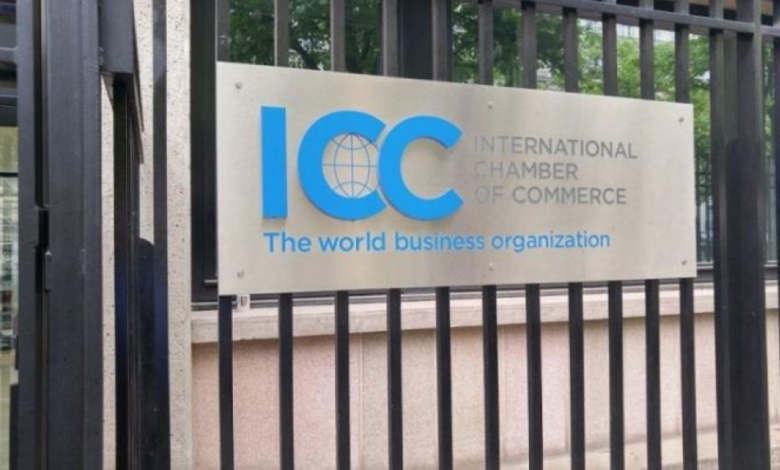
The International Chamber of Commerce warns of the worst global industrial crisis

UN warnings of imminent industrial collapse
The International Chamber of Commerce (ICC) issued a stark warning about the catastrophic economic consequences of current geopolitical tensions, stating that an escalation of war in the Middle East could trigger “the worst industrial crisis in recent memory.” This dire warning came on Wednesday, on the eve of the World Trade Organization’s ministerial conference in Yaoundé, Cameroon, which brings together economic and trade leaders to discuss current global challenges.
In his statement, the Secretary-General of the International Chamber of Commerce, John Denton, speaking at a high-level panel discussion alongside the Director-General of the World Trade Organization, Ngozi Okonjo-Iweala, emphasized the gravity of the current situation. Denton stated, “From the perspective of businesses and the private sector, we firmly believe that this crisis could indeed develop into the worst industrial crisis we have witnessed in modern history. It is not just the exorbitant rise in energy prices that is affecting global industrial production itself, which is experiencing unprecedented disruption and chaos due to severe shortages of gas supplies and the lack of other essential inputs and raw materials necessary for manufacturing processes.”.
General context and historical background of the crisis
These warnings come at a time when the global economy is clearly fragile due to a series of successive crises. From the COVID-19 pandemic, which paralyzed global supply chains, to the Russian-Ukrainian war that disrupted energy and food markets, and now to the current tensions in the Middle East, factories and major companies are facing existential challenges. Historically, the Middle East has been the lifeblood of global energy supplies, and any disruption there is immediately reflected in production costs for factories worldwide, especially in major industrialized nations that rely heavily on imported oil and gas to power their operations.
The importance of the event and its expected impact on various levels
Internationally, this situation portends a new wave of global inflation. Rising production costs will inevitably lead to higher prices for finished goods, burdening consumers and presenting central banks with complex challenges in controlling inflation without triggering a recession. Furthermore, shortages of industrial inputs may force many factories in Europe and Asia to reduce production or temporarily close down.
Regionally, the ongoing war threatens the stability of vital maritime trade routes, such as the Red Sea and the Suez Canal, forcing merchant ships to take longer and more expensive alternative routes, such as the Cape of Good Hope. This change in routes doubles shipping costs and delays the arrival of goods and raw materials at their destinations, further damaging supply chains.
On the local level: Domestic markets in various countries will be affected by the high cost of imports and the shortage of some basic commodities, which requires governments and the private sector to develop strategic contingency plans to diversify supply sources and strengthen strategic stocks of basic materials and energy, in order to mitigate the severity of this anticipated industrial crisis and ensure business continuity.