
تفاقم أزمة أسواق الطاقة العالمية
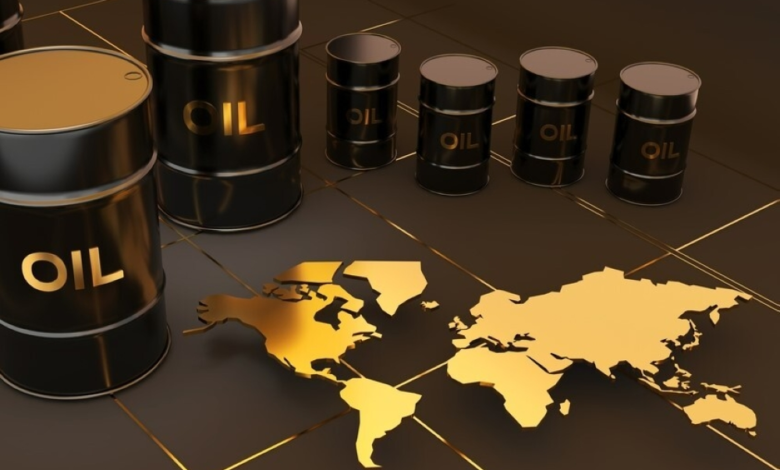
تتجه أنظار العالم بقلق بالغ نحو التطورات المتسارعة في الشرق الأوسط، حيث أطلق فاتح بيرول، المدير التنفيذي للوكالة الدولية للطاقة، تحذيرات شديدة اللهجة بشأن مستقبل أسواق الطاقة والاقتصاد العالمي. وأكد بيرول أن شهر أبريل الحالي قد يشهد أزمات أعمق وأكثر تعقيداً مقارنة بشهر مارس، وذلك على خلفية التوترات الجيوسياسية المستمرة والنزاعات المسلحة التي تلقي بظلالها الثقيلة على سلاسل الإمداد العالمية وحركة التجارة الدولية.
توقف الشحنات وتضرر البنية التحتية
وأوضح بيرول في تصريحاته أن الأسواق لم تشعر بالصدمة الكاملة في مارس لأن الشحنات النفطية التي وصلت خلاله كانت قد حُملت بالفعل قبل اندلاع الأزمة بوقت كافٍ. ومع توقف عمليات التحميل، حذر من أن شهر أبريل لن يشهد تسليم أي شحنات جديدة من المناطق المتضررة، مما سيخلق فجوة هائلة في العرض. وفي سياق تقييم الأضرار، كشفت الوكالة الدولية للطاقة أنها تراقب عن كثب البنية التحتية في المنطقة، مشيراً إلى تضرر أكثر من 80 منشأة حيوية، حيث تعرضت أكثر من ثلثها لدمار بالغ، مما يعكس حجم التحدي الكبير الذي يواجه أمن الطاقة، مؤكداً أنه لا يوجد أي بلد بمنأى عن هذه المشكلة العالمية.
تحركات المؤسسات المالية الدولية
جاءت هذه التصريحات المفصلية عقب اجتماعات رفيعة المستوى في مقر صندوق النقد الدولي، ضمت قادة ماليين عالميين ضمن مجموعة عمل شُكلت حديثاً لتنسيق الاستجابات الاقتصادية للأزمة. وشددت كريستالينا جورجييفا، المديرة العامة لصندوق النقد الدولي، على الضرورة القصوى لفهم النطاق الحقيقي لتأثير الأضرار التي لحقت بالبنى التحتية. من جانبه، أكد أجاي بانجا، رئيس البنك الدولي، أن المؤسسات المالية تعكف حالياً على إعداد سيناريوهات متعددة للتعامل مع التداعيات، والتي ستعتمد بشكل أساسي على مدة الصراع وشدته وتأثيره على معدلات التضخم.
الأهمية الاستراتيجية لمضيق هرمز
وتتجلى ذروة الأزمة في التطورات المتعلقة بإغلاق مضيق هرمز. فمنذ اندلاع المواجهات إثر الضربات الأمريكية والإسرائيلية المشتركة على إيران في 28 فبراير، أقدمت طهران على إغلاق شبه كامل للمضيق. وتكمن الأهمية الاستراتيجية والتاريخية لمضيق هرمز في كونه ممراً مائياً حيوياً يعبر من خلاله نحو خُمس الإنتاج العالمي من النفط الخام والغاز الطبيعي المسال. تاريخياً، طالما كان هذا المضيق نقطة اختناق حرجة، وأي إغلاق له يعني ارتفاعاً مباشراً في أسعار الطاقة، مما يهدد بركود اقتصادي يطال الدول الصناعية والنامية على حد سواء.
تعثر الدبلوماسية وتصاعد التوترات
ورغم المحاولات الدبلوماسية لاحتواء الموقف، حيث اتفقت الولايات المتحدة وإيران مؤخراً على وقف لإطلاق النار لمدة أسبوعين لتمهيد الطريق للمفاوضات، إلا أن المحادثات التي استضافتها إسلام آباد باءت بالفشل. هذا التعثر دفع الرئيس الأمريكي دونالد ترامب إلى اتخاذ خطوات تصعيدية تمثلت في فرض حصار على الموانئ الإيرانية. إن استمرار هذا الاضطراب لا يهدد فقط إمدادات الوقود، بل يمتد تأثيره ليشمل ارتفاع معدلات التضخم العالمية وزيادة تكاليف الشحن والتأمين البحري، مما يضع الاقتصاد العالمي أمام تحديات غير مسبوقة تتطلب تضافر الجهود الدولية.