Conclusion of the International Mining Conference: Localization and Financing Strategies

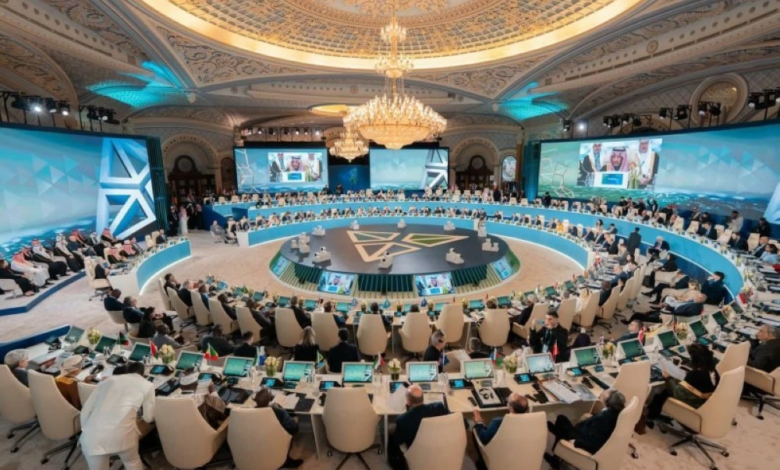
The fifth edition of the International Mining Conference concluded today (Thursday) in Riyadh, the capital of Saudi Arabia, after three days of strategic dialogues and in-depth discussions. The event witnessed a record attendance of over 20,000 participants and featured nearly 400 speakers, including leading ministers, decision-makers, and international experts, who outlined the future of the mining and minerals sector amidst major geopolitical and industrial shifts.
National vision and strategic context
This conference is of exceptional importance as it aligns with the goals of Saudi Vision 2030, which has established the mining sector as the third pillar of national industry, alongside oil, gas, and petrochemicals. Through this global platform, the Kingdom seeks to leverage its vast mineral wealth in the Arabian Shield, estimated to be worth trillions of dollars, not only as a source of revenue but also as an engine for economic diversification and attracting foreign direct investment, thereby solidifying Riyadh's position as a global hub for this vital sector.
From extraction to manufacturing: A shift in priorities
The final day witnessed a significant shift in official discourse, with a notable focus on the issue of "localizing processing and manufacturing." In this context, the Minister of Industry and Mineral Resources, Bandar Al-Khorayef, emphasized that the traditional model based solely on extracting and exporting raw materials is no longer sufficient. He affirmed that the future lies in building integrated value chains within the Kingdom, starting from the mine and ending with the final product, thus ensuring maximum economic returns and creating quality job opportunities for Saudi nationals in downstream industries related to minerals.
Financing challenges in the era of energy transition
The outcomes of the closing sessions aligned with current global challenges, with the accompanying ministerial meetings addressing the "financing gap" facing mineral supply chains. This comes at a time of unprecedented global demand for critical minerals (such as lithium, copper, and cobalt) needed for clean energy technologies and electric vehicles. Emphasis was placed on the need to develop new financing instruments and to activate the role of sovereign wealth funds and development institutions to mitigate investment risks, particularly in resource-rich regions lacking the necessary infrastructure.
Saudi Arabia a global hub for minerals
The conference concluded with broad consensus on the importance of international cooperation, featuring a series of bilateral meetings and consultations aimed at enhancing exploration and the transfer of technical knowledge. These outcomes underscore the Kingdom's success in establishing itself as a link between resource-rich countries in Africa and Central Asia and countries that consume and manufacture advanced technologies, thereby supporting the sustainability of global supply chains and ensuring the flow of strategic minerals essential for the future of global industry.