
مقدمة: إدانة دولية لتهديدات الملاحة الجوية
أصدر المجتمع الدولي قراراً حازماً يدين بشدة الهجمات الإيرانية المستمرة والمدعومة من طهران والتي تستهدف الطيران المدني والبنية التحتية للمطارات في منطقة الشرق الأوسط. يأتي هذا القرار في وقت تتزايد فيه المخاوف العالمية بشأن سلامة الملاحة الجوية وحركة السفر التجاري، مما يستدعي تدخلاً دولياً عاجلاً لحماية الأرواح والممتلكات وضمان استقرار حركة النقل الجوي.
السياق العام والخلفية التاريخية للهجمات
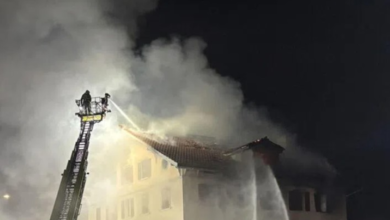
على مدار السنوات الماضية، شهدت منطقة الشرق الأوسط تصعيداً خطيراً تمثل في استخدام الطائرات المسيرة (بدون طيار) والصواريخ الباليستية لاستهداف المطارات المدنية. وقد أشارت العديد من التقارير الدولية والأممية إلى تورط إيران في تزويد الجماعات المسلحة والميليشيات التابعة لها في المنطقة، مثل جماعة الحوثي في اليمن، بهذه الأسلحة المتقدمة. لقد تعرضت مطارات مدنية حيوية في دول الجوار، مثل مطار أبها الدولي في المملكة العربية السعودية ومطارات في دولة الإمارات العربية المتحدة، لهجمات متكررة أسفرت عن إصابات بين المدنيين وأضرار مادية، مما يمثل انتهاكاً صارخاً للقوانين والأعراف الدولية.
أهمية القرار وتأثيره الإقليمي والدولي
يكتسب هذا القرار الدولي أهمية بالغة لعدة أسباب جوهرية. على المستوى الإقليمي، يبعث القرار برسالة قوية مفادها أن المجتمع الدولي لن يتسامح مع أي تهديد يمس أمن واستقرار دول المنطقة أو يعرض حياة المدنيين الأبرياء للخطر. كما يؤكد على حق الدول في الدفاع عن سيادتها وحماية أجوائها ومرافقها الحيوية. أما على المستوى الدولي، فإن استهداف الطيران المدني يعد خرقاً مباشراً لاتفاقية شيكاغو للطيران المدني الدولي لعام 1944، والتي تضمن أمن وسلامة الطيران المدني العالمي وتحرم استخدام الأسلحة ضد الطائرات المدنية والمطارات.
التداعيات الاقتصادية والأمنية على الملاحة العالمية
لا تقتصر تداعيات هذه الهجمات على الجانب الأمني فحسب، بل تمتد لتشمل تأثيرات اقتصادية عميقة. منطقة الشرق الأوسط تعتبر عقدة ربط حيوية لحركة الطيران العالمي بين الشرق والغرب. أي تهديد للملاحة الجوية في هذه المنطقة يؤدي إلى ارتفاع تكاليف التأمين على الطائرات، وتغيير مسارات الرحلات الجوية، مما يكبّد شركات الطيران العالمية خسائر فادحة ويؤثر سلباً على حركة التجارة والسياحة العالمية. استقرار هذه المنطقة يعد ركيزة أساسية لاستقرار الاقتصاد العالمي ككل.
الموقف الدولي والخطوات المستقبلية المطلوبة
يطالب القرار بضرورة اتخاذ إجراءات رادعة لوقف تدفق الأسلحة الإيرانية إلى الميليشيات المسلحة، وتفعيل آليات المحاسبة الدولية ضد الجهات المتورطة في التخطيط أو التنفيذ لهذه الهجمات. كما يدعو إلى تعزيز التعاون الأمني والاستخباراتي بين الدول لتأمين المجال الجوي الإقليمي. إن حماية الطيران المدني ليست مجرد مسؤولية إقليمية، بل هي ضرورة عالمية تتطلب تضافر جهود كافة الدول لضمان بقاء الأجواء آمنة ومفتوحة للجميع دون أي تهديد إرهابي أو عسكري يعيق حرية التنقل والسلام العالمي.