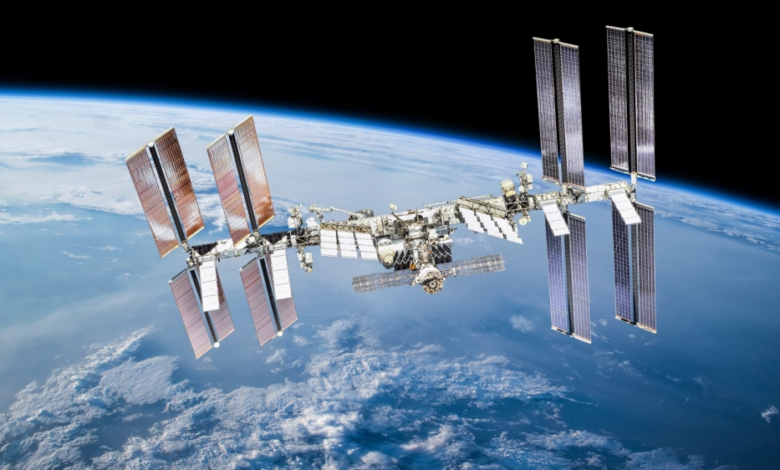

أعلن المهندس ماجد أبو زاهرة، رئيس الجمعية الفلكية بجدة، أن سماء مدينة جدة ستكون على موعد مع حدث فلكي مميز مساء اليوم الأحد، حيث ستشهد عبوراً ساطعاً وواضحاً لـ محطة الفضاء الدولية. يمثل هذا العبور فرصة استثنائية للسكان وهواة الفلك لرؤية هذا الصرح الهندسي العملاق بالعين المجردة، وهو يسبح في مداره حول الأرض بسرعة هائلة، ليظهر كنقطة ضوئية لامعة تعبر قبة السماء في مشهد يأسر الألباب.
وأوضح أبو زاهرة أن هذا العبور يعد من أفضل فرص الرصد المتاحة خلال الفترة الحالية نظراً لسطوع المحطة الكبير ومسارها الطويل والواضح الذي سيقطع السماء من الأفق إلى الأفق تقريباً، مما يتيح مشاهدتها بسهولة حتى من داخل الأحياء السكنية التي تعاني من التلوث الضوئي.
تفاصيل عبور محطة الفضاء الدولية
وفقاً للحسابات الفلكية الدقيقة، ستبدأ محطة الفضاء الدولية بالظهور فوق الأفق الشمالي الغربي عند تمام الساعة 7:52:33 مساءً بتوقيت السعودية، على ارتفاع يبلغ حوالي 10 درجات. ستظهر المحطة كنجم أبيض شديد اللمعان يتحرك بسرعة وثبات عبر السماء، وبدون وميض، وهو ما يميزها عن الطائرات التي تتميز بأضوائها المتقطعة. سيستمر العبور المرئي لمدة 5 دقائق و 23 ثانية، وهي فترة كافية للاستمتاع بالمنظر وتوثيقه.
وستصل المحطة إلى أقصى ارتفاع لها في السماء عند الساعة 7:55:50 مساءً، حيث ستبلغ زاوية ارتفاعها 77 درجة باتجاه الشمال الشرقي، لتكون في وضع مثالي للرصد والتصوير الفلكي. خلال هذه الذروة، سيصل لمعانها الظاهري إلى (-3.2)، مما يجعلها أكثر سطوعاً من كوكب المشتري، وثالث ألمع جرم سماوي بعد القمر وكوكب الزهرة. ويعود هذا السطوع اللافت إلى انعكاس أشعة الشمس على ألواحها الشمسية الضخمة التي تمدها بالطاقة.
مختبر عملاق وأيقونة للتعاون الدولي
لا تعد محطة الفضاء الدولية مجرد نقطة مضيئة عابرة، بل هي أكبر هيكل صنعه الإنسان في الفضاء على الإطلاق، وتعتبر رمزاً بارزاً للتعاون العلمي الدولي. هذا المشروع الضخم، الذي بدأ تجميعه في المدار عام 1998، هو ثمرة شراكة بين خمس وكالات فضاء عالمية هي: وكالة ناسا الأمريكية، وكالة الفضاء الروسية (روسكوزموس)، وكالة الفضاء الأوروبية (إيسا)، وكالة استكشاف الفضاء اليابانية (جاكسا)، ووكالة الفضاء الكندية (CSA). تدور المحطة على ارتفاع يقارب 400 كيلومتر فوق سطح الأرض، وتكمل دورة كاملة حول كوكبنا كل 90 دقيقة تقريباً، بسرعة تصل إلى 28 ألف كيلومتر في الساعة، مما يسمح لرواد الفضاء على متنها بمشاهدة 16 شروقاً وغروباً للشمس يومياً.
أهمية علمية وإلهام للأجيال
تكمن الأهمية الكبرى للمحطة في كونها مختبراً علمياً فريداً لإجراء أبحاث وتجارب متقدمة في بيئة الجاذبية الصغرى، وهو ما لا يمكن محاكاته على الأرض. تشمل هذه الأبحاث مجالات متعددة مثل علوم الأحياء، والفيزياء، والفلك، وعلوم الأرض، وتساهم نتائجها في تطوير تقنيات جديدة تعود بالنفع على البشرية، بالإضافة إلى تمهيد الطريق للمهام الفضائية المستقبلية طويلة الأمد، مثل استكشاف المريخ. كما أن مشاهدة عبور المحطة يمثل مصدر إلهام للشباب والأجيال الجديدة، ويشجعهم على الاهتمام بالعلوم والتكنولوجيا والهندسة والرياضيات، وهو ما يتماشى مع التوجهات العالمية والمحلية، كرؤية السعودية 2030 التي تولي اهتماماً كبيراً بقطاع الفضاء، والذي تجسد مؤخراً في إرسال رواد فضاء سعوديين إلى المحطة الدولية.
سينتهي العبور باختفاء المحطة تدريجياً عند دخولها في مخروط ظل الأرض عند الساعة 7:57:56 مساءً قرب الأفق الجنوبي الشرقي، حيث ستتوقف الألواح الشمسية عن عكس ضوء الشمس، لتبدو وكأنها تلاشت في السماء.