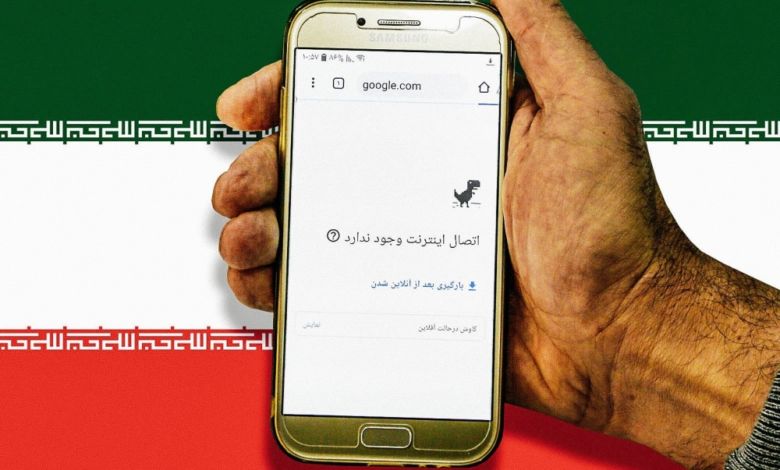

رغم الإعلانات الرسمية عن تخفيف بعض القيود، لا يزال مشهد الإنترنت في إيران يتسم بالتعقيد والرقابة الصارمة، حيث يواجه المواطنون صعوبات جمة في الوصول إلى الشبكة العنكبوتية العالمية. يأتي هذا في أعقاب موجة من الاضطرابات والاحتجاجات التي دفعت السلطات إلى فرض طوق رقمي محكم، مما أعاد تسليط الضوء على سياسة "الإنترنت الوطني" وتداعياتها على الحريات والاقتصاد.
خلفية تاريخية: مشروع الشبكة الوطنية للمعلومات
لم يكن الحجب الأخير وليد اللحظة، بل هو جزء من استراتيجية طويلة الأمد بدأت طهران في تنفيذها بجدية منذ عام 2016 عبر ما يُعرف بـ "الشبكة الوطنية للمعلومات". تهدف هذه البنية التحتية إلى إنشاء شبكة إنترنت داخلية (إنترانت) تعمل بشكل مستقل عن الشبكة العالمية، مما يمنح الحكومة قدرة كاملة على التحكم في تدفق البيانات. وتبرر السلطات هذا التوجه بضرورة حماية الأمن القومي والبيانات السيادية، إلا أن المنظمات الحقوقية والتقنية ترى فيه محاولة لعزل الشعب الإيراني عن العالم الخارجي، خاصة في أوقات الأزمات السياسية.
حرب الشبكات الافتراضية وأزمة ستارلينك
في الثامن من يناير الماضي، تصاعدت حدة الرقابة لتشمل محاولات تعطيل خدمات الإنترنت عبر الأقمار الصناعية، وتحديداً خدمة ستارلينك، التي يلجأ إليها البعض كبديل للشبكة الأرضية المراقبة. وبالتوازي مع ذلك، تشن السلطات حملة شعواء على الشبكات الافتراضية الخاصة (VPNs)، التي تعد المنفذ الوحيد للإيرانيين للوصول إلى المنصات المحظورة مثل إنستغرام، واتساب، وتلغرام. ورغم تصريحات وزير الاتصالات ستار هاشمي حول عودة بعض الخدمات، إلا أن الواقع يشير إلى أن الاتصال لا يزال متقطعاً وغير مستقر، حيث تعمل الـ VPNs لساعات ثم تتوقف، مما يخلق حالة من الإحباط الرقمي المستمر.
نزيف اقتصادي مستمر
بعيداً عن الجانب السياسي والحقوقي، تكبد الاقتصاد الإيراني خسائر فادحة جراء هذا الإغلاق الرقمي. تشير التقديرات إلى أن الاقتصاد الرقمي يخسر يومياً ما يقارب 3 ملايين دولار، بينما تصل الخسائر في الاقتصاد الكلي إلى نحو 35 مليون دولار يومياً. هذا الضرر لا يقتصر على الشركات الكبرى، بل يضرب في الصميم آلاف الشركات الصغيرة والأسر التي تعتمد على منصات التواصل الاجتماعي في تسويق منتجاتها، مما يفاقم من الأزمات المعيشية في ظل اقتصاد يعاني أصلاً من العقوبات.
سياسة القوائم البيضاء
وفي محاولة لاحتواء الغضب التجاري، بدأت السلطات في تطبيق نظام "القوائم البيضاء"، الذي يسمح لجهات محددة وشركات معينة بالوصول إلى الإنترنت العالمي، بينما يبقى عموم الشعب تحت رحمة الشبكة الداخلية المقيّدة. وتؤكد منظمة "نتبلوكس" لمراقبة الإنترنت أن هذه الإجراءات الانتقائية لا تعني عودة الإنترنت لطبيعته، بل تكرس نظاماً طبقياً رقمياً يعزز العزلة ويحد من تدفق المعلومات بحرية.