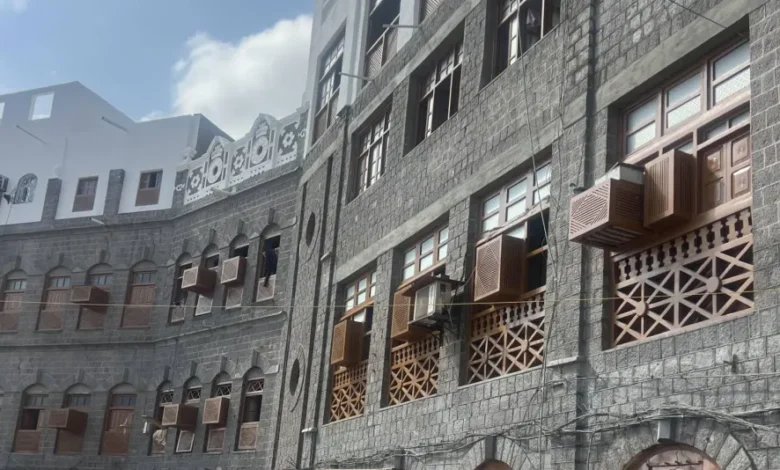

في خطوة لاقت ترحيباً واسعاً في الأوساط الثقافية والشعبية، برز تدخل قضائي حازم يهدف إلى وقف العبث المستمر بالمعالم الأثرية والتاريخية في العاصمة المؤقتة عدن. يأتي هذا التحرك كاستجابة ضرورية للنداءات المتكررة التي أطلقها المهتمون بالتراث والآثار، محذرين من طمس الهوية التاريخية لواحدة من أعرق المدن في الجزيرة العربية.
أهمية التدخل القضائي في الوقت الراهن
يمثل هذا الإجراء القضائي نقطة تحول مفصلية في مسار الحفاظ على التراث اليمني، خاصة في ظل الظروف الاستثنائية التي مرت بها البلاد خلال السنوات الماضية. فقد شهدت مدينة عدن، مستغلة حالة الفراغ الأمني في فترات سابقة، موجة من البناء العشوائي والتعديات التي طالت محرمات المواقع الأثرية، بما في ذلك صهاريج الطويلة التاريخية، وقلعة صيرة، والعديد من المباني ذات الطابع المعماري الكولونيالي والإسلامي الفريد.
عدن: تاريخ عريق يواجه تحديات حديثة
تتمتع عدن بمخزون حضاري هائل يمتد لآلاف السنين، حيث كانت ولا تزال ميناءً عالمياً ومركزاً للتجارة والثقافة. إلا أن هذا الإرث واجه تهديدات حقيقية تمثلت في الزحف العمراني غير المخطط له، ومحاولات الاستيلاء على الأراضي المحيطة بالمعالم الأثرية. لذا، فإن تفعيل دور القضاء والنيابة العامة في تطبيق قانون الآثار اليمني (الذي يجرم التعدي على المواقع التاريخية) يعد الرادع الأقوى لوقف هذه الانتهاكات.
الأبعاد القانونية والمجتمعية
يستند التحرك القضائي إلى نصوص قانونية واضحة تعتبر الآثار ملكاً عاماً للدولة لا يجوز التصرف فيه أو تملكه بالتقادم. ويؤكد الخبراء القانونيون أن إصدار أوامر بوقف الاستحداثات وإزالة التعديات يعيد هيبة الدولة ويؤكد سيادة القانون. كما أن لهذا التحرك بعداً مجتمعياً هاماً، حيث يعزز الوعي لدى المواطنين بأهمية الحفاظ على هذه المعالم كجزء من الذاكرة الوطنية والهوية الثقافية التي يجب توريثها للأجيال القادمة.
التأثير المستقبلي على السياحة والاقتصاد
من منظور اقتصادي وتنموي، يعد الحفاظ على المعالم الأثرية في عدن استثماراً للمستقبل. فالسياحة الثقافية تعتمد بشكل أساسي على وجود مواقع تاريخية أصيلة ومحفوظة بعناية. وبالتالي، فإن حماية هذه المواقع اليوم بقرارات قضائية صارمة يمهد الطريق لعودة عدن كوجهة سياحية عالمية بمجرد استقرار الأوضاع، مما سيدرفد الاقتصاد الوطني بموارد هامة ويخلق فرص عمل جديدة.
ختاماً، يظل الرهان معقوداً على استمرار هذه اليقظة القضائية وتكاملها مع جهود السلطات المحلية والهيئة العامة للآثار والمتاحف، لضمان بقاء عدن منارة تاريخية وحضارية شامخة في وجه كل محاولات العبث والتشويه.