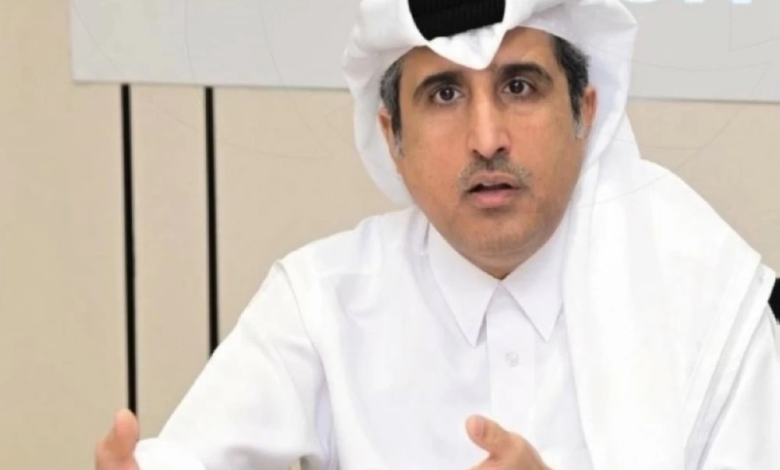

سجلت التجارة البينية بين دول مجلس التعاون الخليجي قفزة نوعية خلال العام 2024، حيث كشف الأمين العام لاتحاد غرف دول مجلس التعاون الخليجي، صالح الشرقي، أن حجم التبادل التجاري بين الدول الأعضاء تجاوز حاجز 146 مليار دولار، محققاً معدل نمو لافت بلغ 9.8% مقارنة بمستويات عام 2023. وتأتي هذه الأرقام لتعكس متانة العلاقات الاقتصادية والتوجه الاستراتيجي نحو تعزيز التكامل الاقتصادي في المنطقة.
دلالات النمو الاقتصادي والسياق العام
جاء هذا الإعلان خلال اللقاء الإعلامي الذي عقده اتحاد الغرف الخليجية مؤخراً في مقره بمحافظة الخبر، والذي خُصص لاستعراض المنجزات والخطط المستقبلية. ويُعد هذا النمو استمراراً لمسيرة طويلة من التعاون الاقتصادي الذي بدأ منذ تأسيس المجلس، ومروراً بإطلاق الاتحاد الجمركي في عام 2003، وصولاً إلى السوق الخليجية المشتركة في 2008. وتؤكد هذه الأرقام نجاح السياسات الاقتصادية الرامية إلى تنويع مصادر الدخل وتقليل الاعتماد الكلي على النفط، مما فتح المجال أمام قطاعات الصناعة، والخدمات اللوجستية، والتجارة البينية لتلعب دوراً أكبر في الناتج المحلي الإجمالي لدول المجلس.
دور القطاع الخاص والفرص الاستثمارية
أكد الشرقي خلال اللقاء أن هذا الارتفاع في حجم التجارة يعكس وجود فرص استثمارية واسعة أمام القطاع الخاص الخليجي في قطاعات متعددة. وأشار إلى أن الاتحاد يواصل جهوده الحثيثة لتعزيز مساهمة هذا القطاع الحيوي، ليس فقط في زيادة حجم التبادل التجاري، بل أيضاً في صياغة الرؤى لتطوير الأطر التنظيمية. ويهدف ذلك إلى تسهيل انسياب السلع والخدمات عبر المنافذ الحدودية، وإزالة المعوقات غير الجمركية التي قد تحد من حركة التجارة، مما يعزز من جاذبية البيئة الاستثمارية في المنطقة.
التأثير الإقليمي والدولي
لا يقتصر تأثير هذا النمو على الداخل الخليجي فحسب، بل يمتد ليعزز مكانة دول مجلس التعاون ككتلة اقتصادية مؤثرة على الساحة الدولية. فزيادة التجارة البينية تعني تعزيز سلاسل الإمداد الإقليمية، وتحقيق مستويات أعلى من الأمن الغذائي والصناعي، مما يمنح دول المجلس ثقلاً تفاوضياً أكبر في اتفاقيات التجارة الحرة مع التكتلات العالمية الأخرى. كما أن مشاريع البنية التحتية المشتركة، مثل شبكة السكك الحديدية الخليجية والربط الكهربائي، تلعب دوراً محورياً في دعم هذا النمو المتسارع.
خطط المستقبل وتحديات المرحلة
استعرض اللقاء أيضاً أبرز منجزات الفترة الماضية والخطط الطموحة للعامين الحالي والمقبل، حيث يركز الاتحاد على تعظيم الفائدة من المنتديات الاقتصادية لطرح الفرص ومناقشة التحديات بشفافية. وتسعى دول المجلس من خلال هذه الخطط إلى تهيئة بيئة أعمال أكثر مرونة وتنافسية، تواكب التحولات الرقمية العالمية وتدعم الابتكار، لضمان استدامة النمو الاقتصادي وتحقيق الرفاهية لشعوب المنطقة.