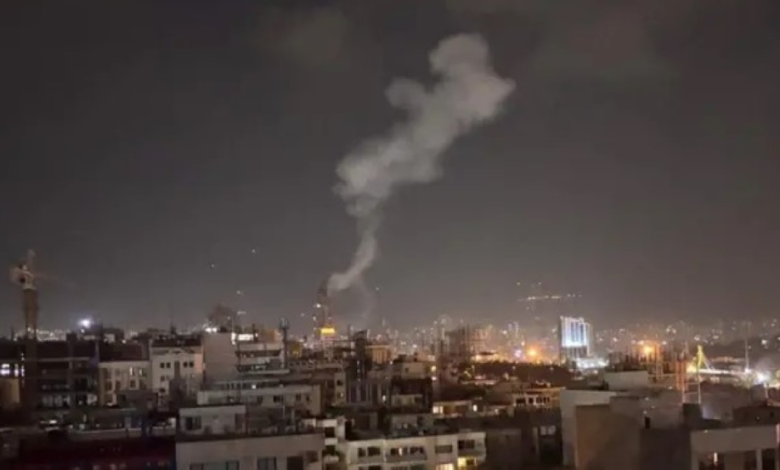
In a significant development amid escalating tensions in the region, the Islamic Republic of Iran directly accused both Israel and the United States of launching an attack on the strategic Natanz nuclear facility. This accusation further complicates the geopolitical landscape, particularly given the ongoing military operations in the region.
Details of the Iranian accusations
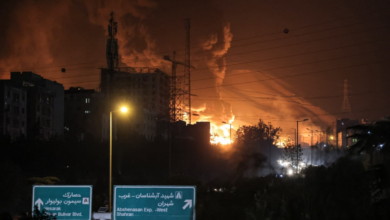
Iranian state media quoted Mohammad Eslami, head of the Atomic Energy Organization of Iran, in strongly worded remarks describing the attack as "brutal." In an official statement, Eslami asserted that what he called the "criminal regimes" in Washington and Tel Aviv were continuing their aggression by targeting the Natanz nuclear site again on Sunday afternoon. This site is the nerve center of Iran's uranium enrichment program and has been targeted before, including, according to sources, in June 2015 during what is known as the "Twelve-Day War.".
Position of the International Atomic Energy Agency
On the other hand, in an attempt to allay international fears of a radioactive leak or nuclear disaster, Rafael Grossi, Director General of the UN's International Atomic Energy Agency (IAEA), stated that there are no concrete indications so far confirming that Iranian nuclear facilities were directly targeted. Grossi explained on Monday that monitoring teams have not detected any damage to the nuclear infrastructure since the start of the latest US-Israeli attacks on Saturday, raising questions about the nature of the attack that Tehran is claiming.
The strategic importance of the Natanz site
The Natanz site is of paramount importance to Iran's nuclear program. Located in Isfahan province in central Iran, it houses massive uranium enrichment facilities, much of which are built underground to protect it from airstrikes. This site has long been a flashpoint of international tension and a focus of attention for Western and Israeli intelligence agencies. Historically, the Natanz facility has been subjected to several acts of sabotage and cyberattacks, most notably the Stuxnet virus in the last decade and the mysterious power outages of 2021, making the current accusations part of a long-standing "shadow war.".
Potential regional and international repercussions
Targeting nuclear facilities constitutes a red line in conventional rules of engagement, posing environmental and security risks not only to Iran but also to neighboring countries. Observers believe that such accusations, whether proven true or not, could be used as a pretext to accelerate Iran's nuclear program or to launch retaliatory attacks, thus plunging the entire region into turmoil and jeopardizing international diplomatic efforts aimed at curbing nuclear proliferation.