
في تصعيد جديد يهدد استقرار الملاحة في أحد أهم الممرات المائية في العالم، وجهت القوات المسلحة الإيرانية اتهامات مباشرة للولايات المتحدة بانتهاك اتفاق لوقف إطلاق النار، وذلك عبر شن هجمات على سفينتين في مضيق هرمز وضرب مناطق مدنية في جنوب البلاد. وفي بيان شديد اللهجة، توعدت طهران بـ “رد ساحق” على ما وصفته بـ “العدوان الأمريكي”، مؤكدة أنها قامت بالفعل بالرد باستهداف سفن حربية أمريكية.
خلفية التوتر في ممر الطاقة العالمي
يأتي هذا الحادث في سياق من التوترات التاريخية الممتدة بين إيران والولايات المتحدة، والتي غالباً ما يكون مسرحها مياه الخليج العربي ومضيق هرمز. يعتبر هذا المضيق نقطة اختناق استراتيجية يمر عبرها ما يقرب من خُمس استهلاك النفط العالمي، مما يجعل أي اضطراب أمني فيه ذا تداعيات عالمية مباشرة على أسواق الطاقة والاقتصاد العالمي. وشهدت المنطقة على مر السنوات سلسلة من الحوادث، بما في ذلك احتجاز ناقلات نفط، ومواجهات بين الزوارق السريعة الإيرانية والسفن الحربية الأمريكية، وإسقاط طائرات مسيرة، مما أبقى المنطقة على حافة مواجهة عسكرية أوسع.
تفاصيل الاتهام الإيراني
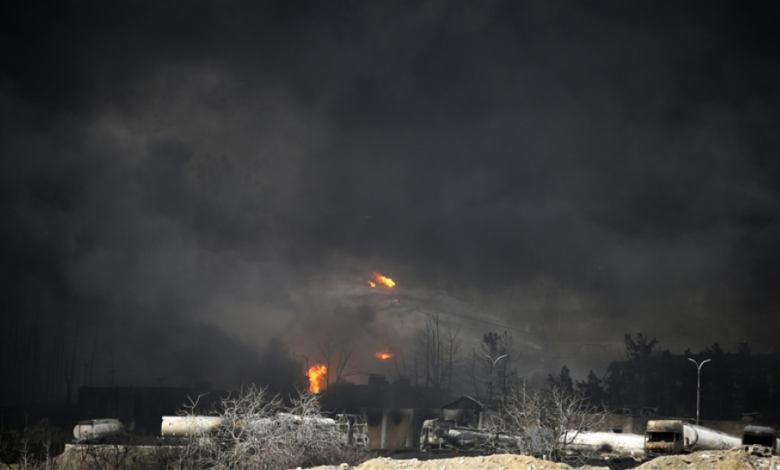
وفقاً للبيان الصادر عن مقر “خاتم الأنبياء”، الذي يمثل غرفة العمليات المركزية للقوات المسلحة الإيرانية، فإن “المعتدي الأمريكي… منتهكاً وقف إطلاق النار، استهدف ناقلة نفط إيرانية” وسفينة أخرى أثناء عبورهما المضيق. وأضاف البيان أن الهجمات امتدت لتشمل “غارات جوية على مناطق مدنية” في سواحل بندر خمير وسيريك وجزيرة قشم، بالتعاون مع بعض دول المنطقة. ورداً على هذه الأعمال، أعلنت القوات الإيرانية أنها سارعت “للرد بمهاجمة سفن حربية أمريكية… وألحقت بها أضراراً بالغة”، مشددة على أنها لن تتردد في توجيه “رد ساحق على أي اعتداء”.
الأهمية والتأثيرات المحتملة
يحمل هذا التصعيد في طياته مخاطر جسيمة على الصعيدين الإقليمي والدولي. فعلى المستوى الإقليمي، يزيد من حالة عدم الاستقرار في منطقة الخليج التي تعاني أصلاً من صراعات متعددة، وقد يدفع دول الجوار إلى اتخاذ إجراءات أمنية مشددة. أما دولياً، فإن أي تهديد لحرية الملاحة في مضيق هرمز يثير قلق القوى الكبرى المستوردة للنفط، وقد يؤدي إلى ارتفاع فوري في أسعار النفط الخام. كما يضع هذا الحادث العلاقات الأمريكية الإيرانية المتأزمة بالفعل أمام اختبار جديد، ويزيد من تعقيد الجهود الدبلوماسية المتعلقة بالملف النووي الإيراني والعقوبات الاقتصادية المفروضة على طهران. ويراقب العالم بقلق تطورات هذا الموقف، خشية أن تؤدي أي حسابات خاطئة من أي من الطرفين إلى اندلاع مواجهة عسكرية مباشرة ذات عواقب وخيمة.