
إعادة فتح المجال الجوي الإيراني: خطوة تكتيكية وسط توترات مستمرة
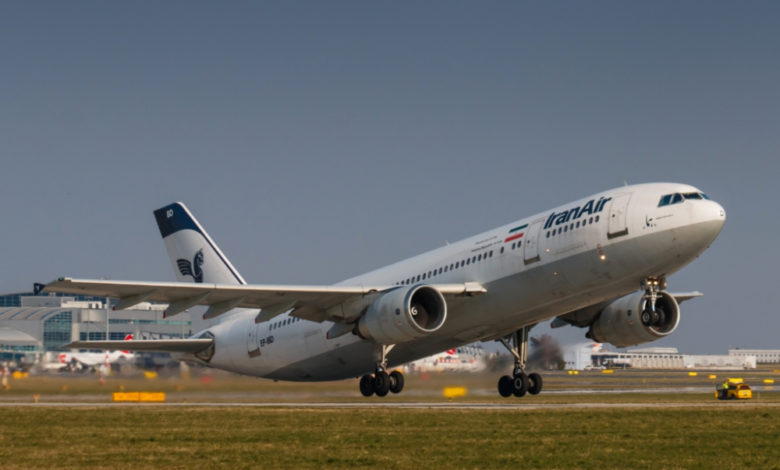
في تطور بارز يعكس حالة الترقب في منطقة الشرق الأوسط، أعلنت هيئة الطيران المدني الإيراني عن إعادة فتح المجال الجوي الإيراني جزئياً أمام الرحلات الدولية العابرة، وتحديداً في المناطق الشرقية من البلاد. وأكدت الهيئة أن الممرات الجوية في الجزء الشرقي أصبحت متاحة مجدداً، مع الإعلان عن إعادة فتح بعض المطارات المحلية والدولية ابتداءً من الساعة السابعة صباحاً. تأتي هذه الخطوة بعد ساعات من التوتر الذي دفع شركات الطيران العالمية إلى اتخاذ تدابير احترازية صارمة لضمان سلامة ركابها.
تأثير التوترات على حركة الملاحة الجوية العالمية
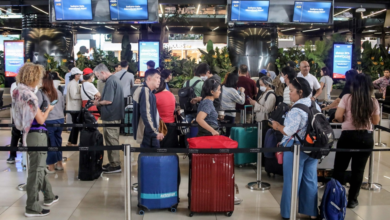
على الرغم من الإعلان الرسمي الإيراني، أظهرت مواقع تتبع الرحلات الجوية العالمية خلو الأجواء الإيرانية تماماً من أي طائرات مدنية دولية عابرة لأكثر من ثلاث ساعات بعد صدور القرار. وقد لجأت شركات الطيران الكبرى إلى استخدام مسارات التفافية طويلة ومكلفة لتفادي الدخول في المجال الجوي الإيراني. تاريخياً، تتخذ شركات الطيران هذه الإجراءات لتجنب المخاطر الأمنية، خاصة في مناطق النزاع، مما يؤدي إلى زيادة ملحوظة في استهلاك الوقود وإطالة مدة الرحلات بين قارتي أوروبا وآسيا، وهو ما ينعكس سلباً على التكاليف التشغيلية وأسعار التذاكر عالمياً.
تصريحات ترامب والضغط الاقتصادي على طهران
على الصعيد السياسي، تتزامن هذه التطورات مع تصريحات حازمة أدلى بها الرئيس الأمريكي دونالد ترامب مساء الجمعة. فقد أكد ترامب، في حديثه للصحفيين على متن الطائرة الرئاسية ‘إير فورس وان’، اعتزامه مواصلة فرض حصار صارم على الموانئ الإيرانية في حال عدم التوصل إلى اتفاق شامل مع طهران. وأشار بوضوح إلى احتمالية عدم تمديد وقف إطلاق النار المؤقت بعد موعد انتهائه المقرر يوم الأربعاء، مشدداً على أن ‘الحصار سيظل قائماً’ كأداة ضغط رئيسية ضمن سياسة العقوبات الاقتصادية القصوى التي تهدف إلى تحجيم القدرات الإيرانية ودفعها للجلوس إلى طاولة المفاوضات.
مضيق هرمز: شريان الطاقة العالمي تحت التهديد
في سياق متصل بالأمن البحري والاقتصاد العالمي، أعادت إيران فتح مضيق هرمز الاستراتيجي يوم الجمعة، وذلك في أعقاب التوصل إلى اتفاق لوقف إطلاق النار بين إسرائيل ولبنان. يُعد مضيق هرمز أحد أهم الممرات المائية في العالم، حيث يمر عبره نحو خُمس إنتاج النفط العالمي، وأي تعطيل لحركة الملاحة فيه يؤدي فوراً إلى تقلبات حادة في أسواق الطاقة. ورغم إعادة الفتح، لوحت طهران مجدداً بتهديداتها بإغلاق هذا الممر الحيوي إذا استمر الحصار الأمريكي، مما يضع المجتمع الدولي أمام تحديات أمنية واقتصادية كبرى.
آفاق الحل الدبلوماسي والخلافات الجوهرية
رغم لغة التصعيد والتهديدات المتبادلة، أبقى الرئيس الأمريكي الباب موارباً أمام الدبلوماسية. فعند سؤاله عن إمكانية التوصل إلى اتفاق مع القيادة الإيرانية، أعرب ترامب عن تفاؤله الحذر قائلاً: ‘أعتقد أن ذلك سيحدث’. ومع ذلك، لا تزال هناك فجوة واسعة وخلافات جوهرية وعميقة بين مطالب الولايات المتحدة وإيران. وقد تجلت هذه الخلافات في فشل جولات سابقة من المحادثات، بما في ذلك تلك التي جرت في باكستان، حيث تسعى واشنطن لفرض قيود صارمة، بينما تطالب طهران برفع كامل للعقوبات لضمان استقرار اقتصادها.