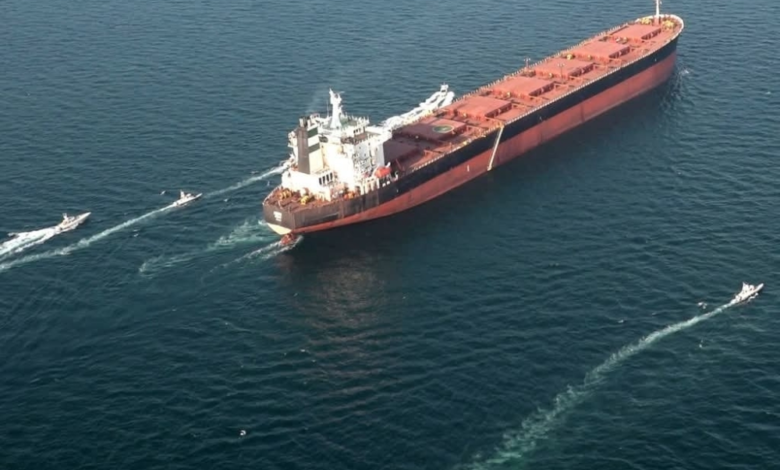

تفاصيل الإعلان الإيراني وتصريحات الحرس الثوري
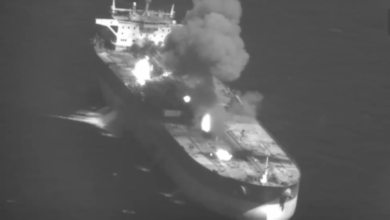
في تطور أمني وعسكري لافت، أعلنت القيادة العسكرية الإيرانية عن إغلاق مضيق هرمز الاستراتيجي، وذلك بعد أقل من يوم واحد على إعادة فتحه. وتأتي هذه الخطوة التصعيدية رداً على ما وصفته طهران بـ “الحصار الأمريكي” المفروض عليها. وفي بيان صريح ومباشر، أكد الحرس الثوري الإيراني أن هذا المضيق الحيوي سيظل تحت سيطرة صارمة ومراقبة دقيقة من قبل القوات الإيرانية، مشدداً على أنه لن يتم التراجع عن هذا الإجراء ما لم تضمن الولايات المتحدة الأمريكية حرية الملاحة الكاملة للسفن التجارية وناقلات النفط المتجهة من وإلى الموانئ الإيرانية دون أي اعتراض.
الأهمية الاستراتيجية والاقتصادية لمضيق هرمز
يُعد مضيق هرمز واحداً من أهم الممرات المائية وأكثرها حساسية على مستوى العالم. يربط هذا المضيق بين مياه الخليج العربي من جهة، وخليج عُمان وبحر العرب والمحيط الهندي من جهة أخرى، مما يجعله الشريان الرئيسي لتدفق إمدادات الطاقة العالمية. تشير الإحصاءات الدولية الموثوقة إلى أن نحو 20% إلى 30% من إجمالي استهلاك العالم من النفط، بالإضافة إلى كميات ضخمة من الغاز الطبيعي المسال، تمر يومياً عبر هذا الممر الضيق. وبالتالي، فإن أي تعطيل أو تهديد لحركة الملاحة فيه ينعكس بشكل فوري ومباشر على أسواق الطاقة العالمية، مما يؤدي إلى تقلبات حادة في أسعار النفط وتأثيرات سلبية على الاقتصاد العالمي بأسره.
الخلفية التاريخية وسلاح التهديد بإغلاق المضيق
تاريخياً، لم تكن هذه المرة الأولى التي تستخدم فيها إيران ورقة مضيق هرمز كأداة ضغط سياسي وعسكري. فمنذ “حرب الناقلات” في ثمانينيات القرن الماضي خلال الحرب العراقية الإيرانية، وصولاً إلى التوترات المتصاعدة في الأعوام 2011 و2012 و2019، طالما لوحت طهران بإغلاق المضيق رداً على العقوبات الغربية والضغوط الدولية. تعتمد الاستراتيجية الإيرانية في هذا السياق على مبدأ “الردع المتبادل”، حيث ترى طهران أنه إذا مُنعت من تصدير نفطها وممارسة تجارتها بحرية بسبب العقوبات، فإنها لن تسمح للآخرين بتصدير نفطهم عبر هذا الممر الحيوي بسهولة.
تداعيات الحصار الأمريكي والتأثير الإقليمي والدولي
يعود مصطلح “الحصار الأمريكي” الذي أشارت إليه القيادة الإيرانية إلى حزمة العقوبات الاقتصادية القاسية التي فرضتها واشنطن على طهران، وتحديداً منذ انسحاب الولايات المتحدة الأحادي من الاتفاق النووي في عام 2018. استهدفت هذه العقوبات بشكل رئيسي قطاعي النفط والمصارف، مما أدى إلى خنق الاقتصاد الإيراني وتقليص صادراته النفطية إلى مستويات متدنية. وعلى الصعيد الإقليمي والدولي، تثير هذه التطورات قلقاً بالغاً؛ فالدول الخليجية المجاورة تعتمد بشكل شبه كلي على مضيق هرمز لتصدير إنتاجها من المحروقات. كما أن القوى الكبرى تعتبر حرية الملاحة في المضيق خطاً أحمر يمس أمنها القومي، مما قد يدفع نحو زيادة التواجد العسكري الأجنبي في المنطقة لحماية السفن، ويرفع من احتمالات حدوث احتكاكات عسكرية غير محسوبة قد تشعل صراعاً أوسع في الشرق الأوسط.