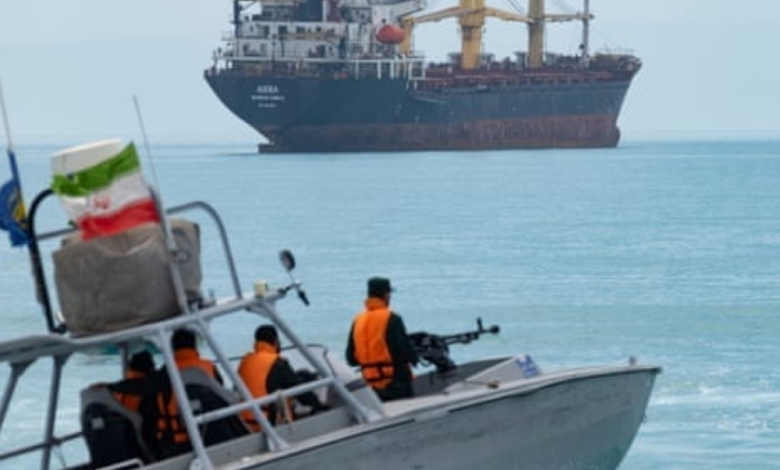

في خطوة ذات أهمية استراتيجية واقتصادية كبرى، أعلن وزير الخارجية الإيراني، عباس عراقجي، عن فتح مضيق هرمز بالكامل أمام حركة جميع السفن التجارية. وتأتي هذه الخطوة لتشمل طوال الفترة المتبقية من اتفاق وقف إطلاق النار الحالي، مما يمثل تطوراً بارزاً في مسار الأحداث الإقليمية والدولية التي تشهدها منطقة الشرق الأوسط.
وأكد عراقجي في تصريحاته، التي نقلتها وكالة الأنباء العالمية رويترز، أن عبور السفن التجارية عبر مضيق هرمز سيتم من خلال المسار المنسق والمحدد مسبقاً. وقد تم الإعلان عن هذا المسار بشكل رسمي من قبل هيئة الموانئ والشؤون البحرية الإيرانية، وذلك لضمان سلامة وسلاسة الملاحة البحرية في هذه المنطقة الحيوية وتجنب أي حوادث عرضية.
السياق العام والأهمية التاريخية لمضيق هرمز
يُعد مضيق هرمز واحداً من أهم الممرات المائية الاستراتيجية في العالم، حيث يربط بين الخليج العربي وخليج عُمان وصولاً إلى بحر العرب والمحيط الهندي. تاريخياً، كان هذا المضيق نقطة عبور حيوية للتجارة العالمية، ولكنه أيضاً شكل بؤرة للتوترات الجيوسياسية المتكررة. يبلغ عرض المضيق في أضيق نقاطه نحو 33 كيلومتراً فقط، ويمر عبره يومياً أكثر من 20 مليون برميل من النفط، وهو ما يمثل حوالي خُمس استهلاك العالم من النفط الخام، بالإضافة إلى كميات ضخمة من الغاز الطبيعي المسال، خاصة من دول الخليج العربي.
على مر العقود، شهدت المنطقة تقلبات عديدة ارتبطت بالصراعات الإقليمية والتوترات الدولية، حيث طالما كانت حرية الملاحة في مضيق هرمز مؤشراً دقيقاً على حالة الاستقرار في الشرق الأوسط. وتأتي أهمية الإعلان الإيراني الحالي في ظل ظروف إقليمية حساسة، حيث يمثل التزاماً بضمان استمرار تدفق إمدادات الطاقة العالمية دون انقطاع خلال فترة التهدئة.
التأثيرات المتوقعة لفتح المضيق بالكامل
التأثير الإقليمي والمحلي
على الصعيد الإقليمي، يساهم هذا الإعلان في تخفيف حدة التوترات الأمنية والسياسية بين دول المنطقة. بالنسبة للدول المصدرة للنفط في منطقة الخليج، فإن ضمان بقاء مضيق هرمز مفتوحاً وآمناً يعني استمرار قدرتها على تلبية التزاماتها التصديرية دون الحاجة إلى البحث عن مسارات بديلة أكثر تكلفة وصعوبة. أما على الصعيد المحلي الإيراني، فإن هذه الخطوة تعكس رغبة في إظهار حسن النية الدبلوماسية والالتزام بالاتفاقيات خلال فترة وقف إطلاق النار، مما قد ينعكس إيجاباً على مسار المفاوضات السياسية والاقتصادية المستقبلية.
التأثير الدولي والاقتصادي
دولياً، تتنفس الأسواق العالمية الصعداء مع مثل هذه الإعلانات الرسمية. استقرار الملاحة في مضيق هرمز يرتبط ارتباطاً وثيقاً بأسعار الطاقة العالمية. أي تهديد بإغلاق المضيق أو عرقلة الملاحة فيه يؤدي عادة إلى ارتفاع فوري وحاد في أسعار النفط، مما يضغط بقوة على الاقتصادات الكبرى في آسيا وأوروبا والأمريكيتين. لذلك، فإن التأكيد على فتح المضيق بالكامل يبعث برسالة طمأنة لأسواق المال والطاقة، ويضمن استقرار سلاسل التوريد العالمية التي تعتمد بشكل كبير على النفط والغاز القادمين من الشرق الأوسط.
ختاماً، يظل مضيق هرمز شرياناً حيوياً للاقتصاد العالمي، وتبقى التطورات المتعلقة به محط أنظار المجتمع الدولي، حيث أن استقرار هذا الممر المائي هو مصلحة مشتركة تتجاوز الحدود الإقليمية لتؤثر على الاستقرار الاقتصادي العالمي بأسره.