Iran appoints Majid Ibn Reza as defense minister and bombs Netanyahu's office

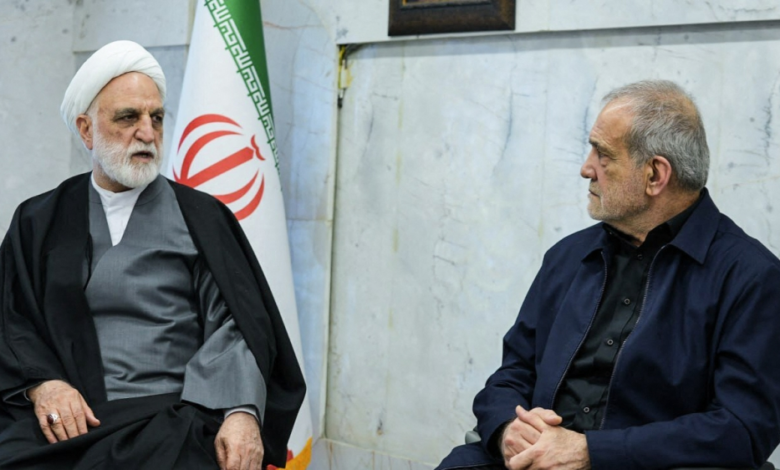
In a significant development reflecting the accelerating military and political events in the Middle East, Iranian President Masoud Pezeshkian issued a presidential decree on Monday appointing Revolutionary Guard General Majid Ibn Reza as acting defense minister. This decisive move comes in the wake of the death of his predecessor, Brigadier General Aziz Nasirzadeh, who was killed in a joint US-Israeli attack, leaving the entire region facing open-ended scenarios for escalation.
Mehdi Tabatabaei, an official in the Iranian presidency’s media office, confirmed via a tweet on the “X” platform that this appointment came as a direct decision from President Pezeshkian to fill the leadership void in one of the most sensitive ministries in the country, especially in light of the current circumstances in the Islamic Republic.
Context of the conflict and historical background
This sudden cabinet reshuffle comes at a highly sensitive time, as relations between Tehran and Tel Aviv are experiencing unprecedented tension, having escalated from a phase of "shadow warfare," cyberattacks, and covert assassinations to one of direct and open confrontation. The Iranian Ministry of Defense is the backbone of the missile and drone program and is responsible for logistical support to the armed forces and the Revolutionary Guard, making the targeting of the former defense minister a significant blow to Iranian national security.
The Revolutionary Guard's response and details of the missile attack
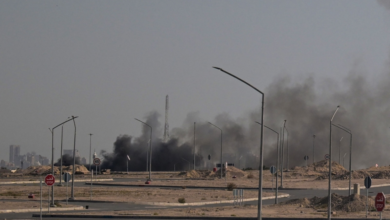
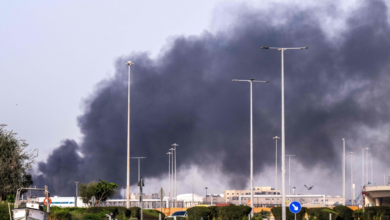
In a swift and retaliatory response, the Iranian Revolutionary Guard Corps (IRGC) announced in an official statement carried by the Fars News Agency that it had launched precision missile attacks using advanced Khaibar ballistic missiles. The statement clarified that these missiles directly targeted the office of Israeli Prime Minister Benjamin Netanyahu, as well as the headquarters of the Israeli Air Force commander, describing the operation as an attack on symbols of the "Zionist regime.".
Expected regional and international repercussions
The appointment of a high-ranking Revolutionary Guard officer as defense minister carries profound implications, indicating Tehran's move toward greater militarization of its political decisions and a strengthening of its security grip in the face of external threats. Observers believe that targeting sovereign sites in Israel and the assassination of an Iranian minister could drag the region into a wider regional war, potentially requiring urgent international intervention to contain the situation before it spirals out of control, especially given the United States' direct involvement in recent military operations.