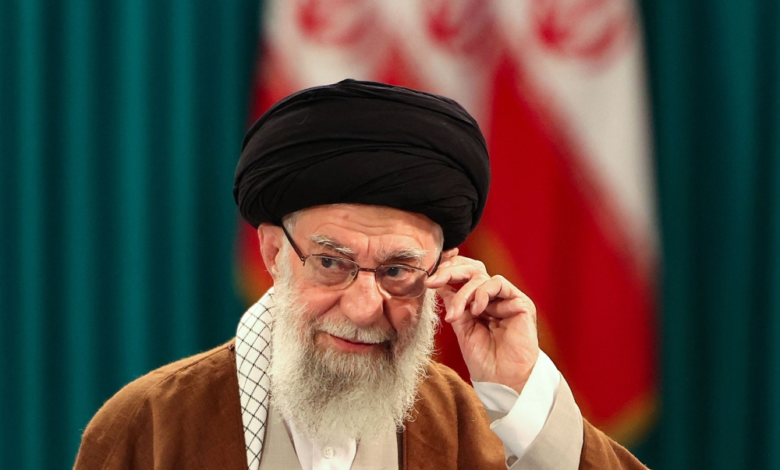

In a rapidly unfolding situation in the Islamic Republic of Iran, all eyes, both domestically and internationally, are on Tehran, where the Assembly of Experts to hold a historic and decisive meeting in the coming hours. The purpose of this emergency meeting is to decide on the vacancy of the Supreme Leader's position and to choose a successor to Ayatollah Ali Khamenei, a move that will determine the course of Iranian politics for years, and perhaps even decades, to come.
According to the Fars News Agency and local media outlets, Hossein Mozaffari, a member of the Assembly of Experts, confirmed that the Assembly would hold its anticipated session within a day. In a brief but significant statement, Mozaffari said, "God willing, this session will be held within the next 24 hours." This announcement puts an end to speculation about when the official procedures for filling the highest position in the Iranian power structure would begin.
Selection mechanism and the role of the Council of Experts
The Assembly of Experts, composed of 88 senior religious scholars and jurists (mujtahids), is the sole constitutional body authorized to select the Supreme Leader, oversee his performance, and even dismiss him if he loses the qualifications for leadership. This body acquires exceptional importance during periods of political transition, as it bears the responsibility of agreeing upon a figure possessing the necessary religious and political qualifications to govern the country amidst highly complex regional and international circumstances.
For Iranians, historical memory dates back to 1989, when the Assembly of Experts convened to choose Ali Khamenei as the successor to the founder of the Islamic Republic, Ruhollah Khomeini. Today, history is repeating itself, but in a completely different geopolitical context, making the task of the 88 members a matter of great interest to decision-making capitals around the world.
Tense security and political context
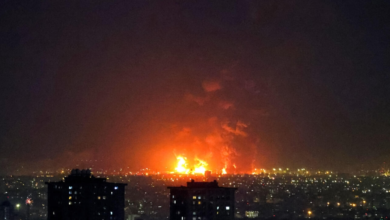
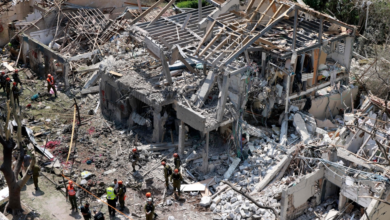
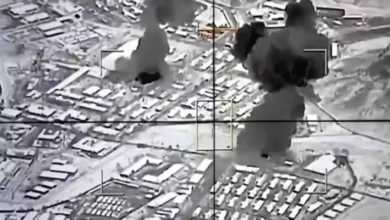
This urgent political activity comes a week after the assassination of Supreme Leader Ayatollah Ali Khamenei in an attack described as "American-Israeli," an event that sent shockwaves through the region. This sudden leadership vacuum compels the Assembly of Experts to work under time pressure and tight security conditions to ensure a smooth transition of power and prevent any internal upheavals that could be exploited by external actors.
Expected impacts locally and regionally
The selection of the new Supreme Leader will not only affect Iran's internal affairs, but will also have implications for sensitive issues in the Middle East. According to the Iranian constitution, the Supreme Leader is the Commander-in-Chief of the Armed Forces, oversees the regime's general policies, and has the final say on the nuclear program and foreign relations. Therefore, the identity of the new leader will be a crucial indicator of the future of relations with the West, the trajectory of regional tensions, and the support provided to allies in the region.
In closing, Mozaffari made an explicit appeal to the Iranian public to remain united, urging citizens to "refrain from any speculation and spreading rumors about this matter," stressing that the council has not yet convened, and that any news preceding the official statement could harm the national interest at this critical juncture.