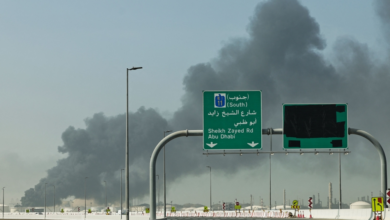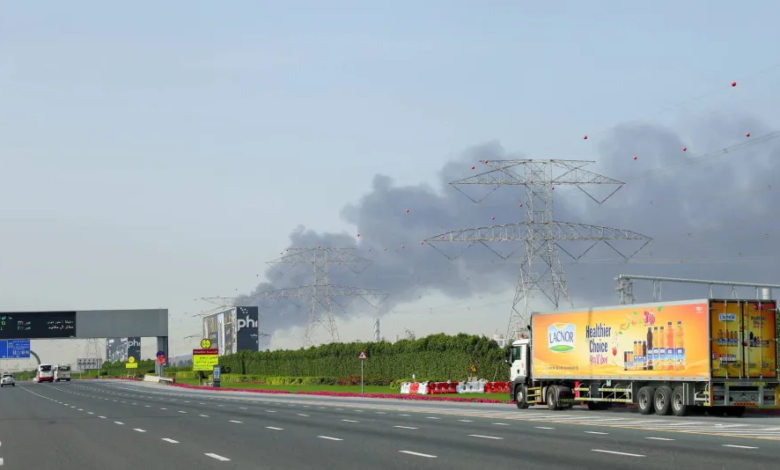
The Arabian Gulf region is experiencing a state of heightened vigilance and constant alert due to ongoing security threats linked to Iranian policies. Ballistic missile and drone attacks targeting vital sites in Gulf states are becoming increasingly frequent. These developments underscore the continued escalation strategy adopted by Tehran and its affiliated militias in the region, necessitating the activation of advanced air defense systems possessed by the Gulf Cooperation Council (GCC) states to counter these attacks and safeguard their national security.
Context of tension and development of offensive capabilities
Current events cannot be separated from the complex historical and geopolitical context of the region. For decades, Iran has sought to expand its regional influence by developing a military arsenal heavily reliant on missiles and low-cost, high-impact drone technology. This trend has led to a defensive arms race in the region, with Gulf states seeking to bolster their defense capabilities with the latest Western and Eastern systems to neutralize these aerial threats before they reach their targets.
The importance of the strategic location and the impact of the attacks
These attacks are doubly dangerous given the paramount strategic importance of the Gulf states as a major global energy supplier. Any threat to oil infrastructure or shipping lanes in the Arabian Gulf and the Strait of Hormuz not only affects local security but also impacts the entire global economy, causing volatility in oil prices and threatening international supply chains. Therefore, the success of Gulf air defenses in intercepting missiles and drones is crucial for maintaining the stability of global energy markets.
International stance and future scenarios
Internationally, these practices have been widely condemned by the international community and the Security Council, which considers these attacks a flagrant violation of international law and a threat to regional peace and security. Major powers have consistently called for de-escalation and a return to diplomatic channels. Nevertheless, military readiness and security vigilance remain the primary strategic option for the Gulf states in dealing with any contingency, with the continued development of early warning systems and joint military cooperation to ensure the deterrence of any attempts to destabilize the region.