
Introduction to the crisis and its direct impact
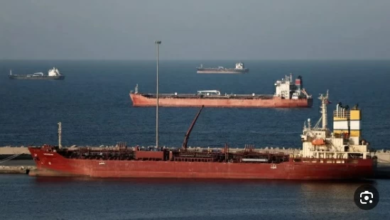
Recent developments related to the fallout from Iran's attacks have cast a long shadow over the Middle East's energy sector, with Qatar suffering a significant economic blow. Reports indicate that these events have resulted in a decline of up to 17% in Qatari gas exports compared to their usual volume. This sharp drop has translated into substantial financial losses estimated at around $20 billion, sparking concern and uncertainty in global energy markets that are heavily reliant on Gulf supplies.
General context and historical background of the Gulf energy crisis
The Arabian Gulf region is historically one of the most geopolitically sensitive areas, given its direct impact on global energy supplies. Qatar is one of the world's largest exporters of liquefied natural gas (LNG), sharing the North Field (the world's largest non-associated gas field) with Iran. Strategic reliance on the Strait of Hormuz, through which a significant portion of global LNG supplies pass, makes any regional escalation or armed attacks a direct threat to supply chains. While these vital waterways have witnessed numerous tensions over the decades, the direct impact on Qatari gas exports to such a high degree highlights a dangerous escalation in regional security dynamics and maritime traffic.
Economic importance and impact of the event on the local economy
Domestically, the $20 billion loss represents a significant blow to the Qatari economy, which relies heavily on hydrocarbon revenues to fund the national budget, infrastructure projects, and economic diversification plans under Qatar National Vision 2030. The sudden 17% drop in Qatari gas exports translates to a substantial shortfall in projected government revenue. This situation could lead to a reassessment of government spending and potentially the postponement of some development projects. Furthermore, the costs of securing energy infrastructure and maritime routes are expected to rise considerably, placing additional financial burdens on national energy companies.
Regional and international repercussions on global gas markets
Regionally, Iran’s attacks are increasing the geopolitical risk premium associated with the Middle East. Neighboring countries and international shipping companies are finding themselves forced to raise insurance premiums for ships and gas tankers operating in the Gulf, thus increasing the overall cost of energy transportation. Internationally, the impact appears deeper and more complex. Global energy markets, already experiencing supply chain pressures and disruptions following the Russia-Ukraine crisis, rely heavily on Qatari gas to meet rising demand, particularly in Europe and Asia. A 17% decline in Qatari gas exports would likely lead to a sharp rise in global LNG prices, exacerbating inflation and raising serious concerns about the energy security of major importing countries.
The future of the energy sector amid ongoing tensions
Looking ahead, Qatar faces the critical challenge of mitigating these disruptions while maintaining its position as a reliable global energy supplier. Further investment in alternative export mechanisms, enhanced security protocols for maritime fleets, and intensified diplomatic efforts to de-escalate tensions in the region will be essential. The international community, heavily reliant on the uninterrupted flow of energy, is likely to increase its diplomatic pressure to ensure freedom and security of navigation in the Arabian Gulf, recognizing that any further disruption to Qatari gas exports could have serious consequences for the stability of the global economy.