
في ظل الجمود الذي أصاب المسار التفاوضي خلال الأسابيع الماضية، عادت التحركات الدبلوماسية والسياسية لتتصدر المشهد، حيث تشير التقارير والتحليلات إلى أن «مساومات إيران» وتكتيكاتها السياسية بدأت تلعب دوراً محورياً في تحريك مياه «اتفاق غزة» الراكدة. يأتي هذا في وقت تشهد فيه المنطقة حالة من الترقب الحذر، وسط محاولات دولية وإقليمية حثيثة لمنع انزلاق الصراع إلى حرب إقليمية شاملة.
سياق الأزمة والخلفية السياسية
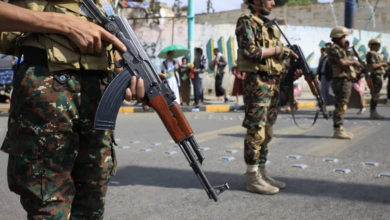
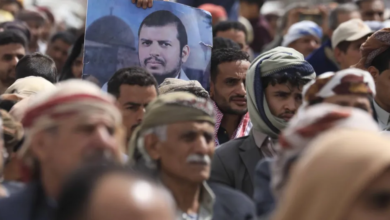
منذ اندلاع الحرب في السابع من أكتوبر، لم تكن المفاوضات بشأن وقف إطلاق النار في غزة وتبادل الأسرى مجرد مسألة ثنائية بين إسرائيل وحركة حماس، بل تحولت سريعاً إلى ملف إقليمي ودولي معقد. لطالما كانت طهران لاعباً رئيسياً في معادلة الشرق الأوسط من خلال دعمها لما يُعرف بـ «محور المقاومة»، الذي يضم فصائل في لبنان، اليمن، والعراق، بالإضافة إلى غزة. ومع تعثر جولات التفاوض في القاهرة والدوحة مراراً بسبب تعنت المواقف والشروط المتبادلة، برز الدور الإيراني كعامل مؤثر، سواء عبر التصعيد الميداني المدروس من قبل حلفائها أو عبر الرسائل الدبلوماسية غير المباشرة مع الولايات المتحدة.
المساومات الإيرانية: استراتيجية حافة الهاوية
يشير مصطلح «المساومات الإيرانية» في هذا السياق إلى الاستراتيجية التي تتبعها طهران في إدارة نفوذها. فهي من جهة لا ترغب في خسارة حليفها الاستراتيجي في غزة، ومن جهة أخرى تسعى لتجنب مواجهة عسكرية مباشرة مع الولايات المتحدة أو إسرائيل قد تهدد استقرارها الداخلي. لذلك، يُقرأ الحراك الإيراني الأخير على أنه محاولة لمقايضة التهدئة في جبهات المساندة (مثل جنوب لبنان والبحر الأحمر) مقابل الوصول إلى اتفاق يضمن بقاء المقاومة في غزة ووقف العمليات العسكرية الإسرائيلية. هذه المساومات تضع الضغط على الإدارة الأمريكية التي تسعى جاهدة لإنهاء الحرب قبل الانتخابات الرئاسية، مما يدفع واشنطن لممارسة ضغوط أكبر على الجانب الإسرائيلي لإبداء مرونة في المفاوضات.
الأهمية والتأثير المتوقع إقليمياً ودولياً
إن نجاح هذه المساومات في الدفع نحو «اتفاق غزة» يحمل أبعاداً استراتيجية بالغة الأهمية:
- على الصعيد الإقليمي: يعني الاتفاق نزع فتيل الانفجار الكبير في الشرق الأوسط. فالتوصل لهدنة في غزة يرتبط ارتباطاً وثيقاً بوقف التصعيد على الحدود اللبنانية الإسرائيلية وتهدئة الهجمات في البحر الأحمر، مما يعيد الاستقرار لممرات الملاحة الدولية.
- على الصعيد الدولي: يُعد هذا التحرك اختباراً لقدرة الدبلوماسية الدولية والوسطاء (قطر ومصر) على إيجاد صيغ توافقية بين أطراف متناقضة المصالح. كما أن انخراط إيران في مسار التسويات، ولو بشكل غير مباشر، قد يفتح الباب أمام تفاهمات أوسع تتعلق بالملف النووي أو النفوذ الإقليمي مستقبلاً.
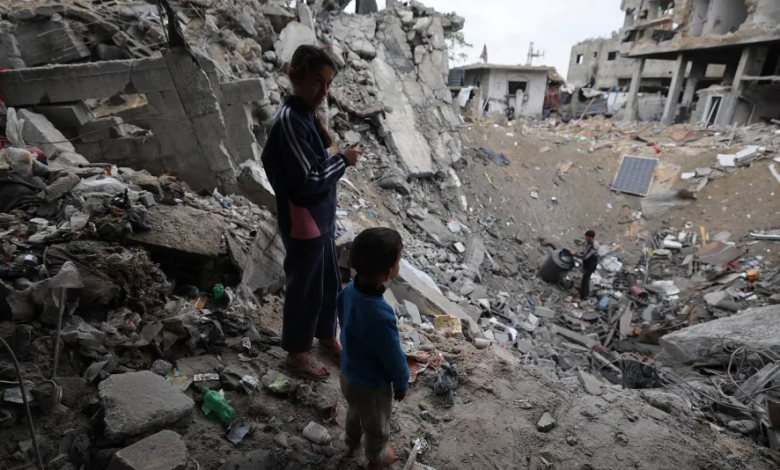
- على الصعيد المحلي: بالنسبة لسكان غزة، يمثل أي تحريك للمياه الراكدة أملاً في إنهاء المعاناة الإنسانية الكارثية، وعودة النازحين، وبدء عمليات الإغاثة الحقيقية.
في الختام، يبدو أن «اتفاق غزة» لم يعد مجرد ورقة أمنية، بل أصبح جزءاً من بازار سياسي إقليمي واسع، حيث تحاول كل الأطراف، بما فيها إيران، تحسين شروطها التفاوضية قبل إبرام الصفقة النهائية.