Iran closes the Strait of Hormuz and the tanker war returns: The full story

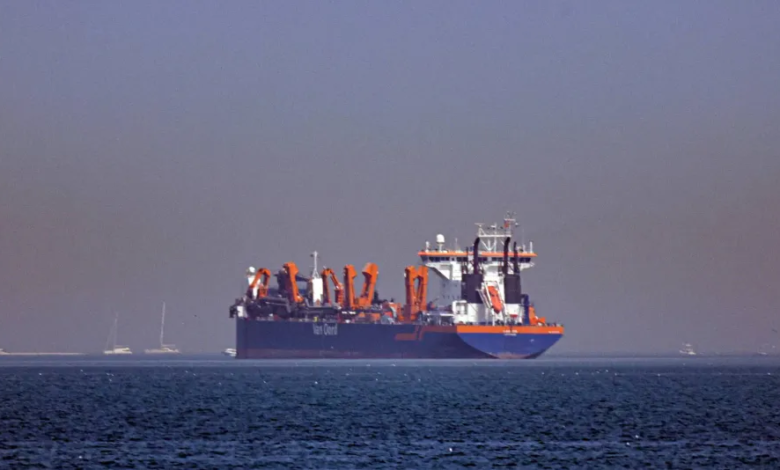
In a dangerous geopolitical development reminiscent of the 1980s, talk of Iran closing the Strait of Hormuz has sparked widespread global concern, raising the specter of a repeat of the "Tanker War" scenario that previously shook the global economy. This event is not merely a fleeting military maneuver, but a direct threat to the world's main energy artery, placing the entire region on a knife's edge.
The strategic importance of the Strait of Hormuz
To understand the gravity of this event, one must consider the paramount strategic importance of the Strait of Hormuz. The strait is the world's most vital oil transit chokepoint, connecting Middle Eastern oil producers with major markets in Asia, Europe, and North America. International estimates indicate that nearly one-fifth of the world's oil production, and one-third of all seaborne oil, passes through this narrow waterway, which at its narrowest point is only 21 nautical miles (approximately 39 kilometers) wide. Any disruption to shipping traffic here would mean an immediate paralysis of global energy supplies.
Historical background: Recalling the memories of the Tanker War
This escalation is reminiscent of the "Tanker War" that erupted during the Iran-Iraq War (1980-1988). During that period, both sides targeted merchant ships and oil tankers belonging to the other side or its allies, resulting in the destruction of hundreds of vessels and a dramatic increase in marine insurance and oil prices. The threat of closing the Strait of Hormuz today evokes that dark era, where targeting commercial vessels became a tool of political and military pressure, jeopardizing the safety of international navigation in international waters.
Expected economic and political repercussions
Economically, the mere threat of closing the Strait of Hormuz typically triggers immediate spikes in crude oil prices, exacerbating global inflation and straining the economies of energy-importing nations. If the closure were actually implemented, the world could face an unprecedented energy crisis that might lead to a global recession. Politically, such an action would provoke a firm international response, as major powers, particularly the United States, consider freedom of navigation in the Strait a red line affecting global national security, potentially opening the door to international military interventions to ensure the flow of oil.
In conclusion, closing the Strait of Hormuz represents a high-stakes strategic gamble. While it might be seen as an extreme pressure tactic, its repercussions extend beyond regional boundaries, affecting the stability of the entire world and presenting international diplomacy with a formidable challenge to avoid sliding into open military confrontation.