Abbas Araqchi's statements: Iran's conditions for ending the conflict with Israel

Iran's firm stance towards the ongoing conflict
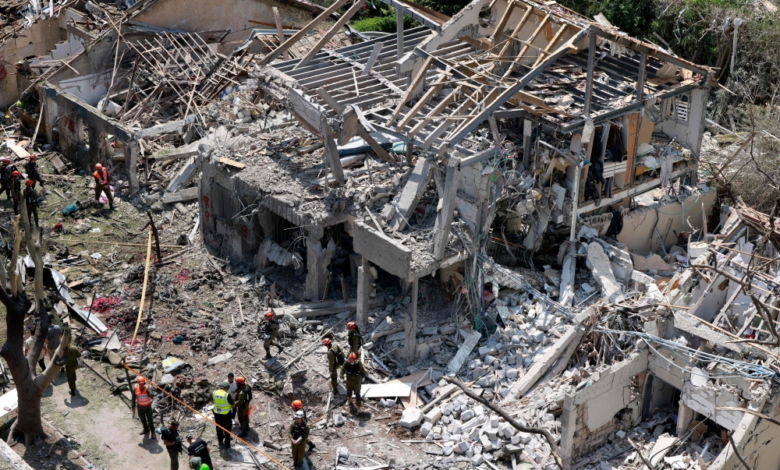
Iranian Foreign Minister Abbas Araqchi stated in recent press remarks that the military confrontation and ongoing tensions between Tehran on one side, and the United States and Israel on the other, will not end without firm guarantees. Araqchi emphasized that the war will only end when Tehran is completely certain that attacks against it will not be repeated, and he demanded that the necessary compensation be paid for the damages inflicted on the country as a result of these attacks.
In his interview, the Iranian minister explained that Tehran had learned lessons from past experiences, pointing to last year's events when Israel launched attacks, the United States later intervened as a supporting party, and then both sides prepared for new attacks. This statement reflects a deep-seated mistrust between Tehran and Washington and highlights Iran's new strategy based on active deterrence and zero tolerance for any security violations that infringe upon its sovereignty.
The historical context of Iranian-American-Israeli tensions
These statements come against the backdrop of a long history of indirect conflicts, or what is known as the “shadow war,” between Iran and Israel, which has spanned decades and included cyberattacks and the targeting of strategic interests by both sides. This conflict has escalated to unprecedented levels recently, particularly after the outbreak of the Gaza war in October 2013 and the subsequent involvement of resistance axis factions in the region, further complicating the security landscape.
Historically, the animosity between Iran and the United States stretches back decades, and the crisis escalated significantly after Washington's unilateral withdrawal from the nuclear agreement in 2018 and the reimposition of harsh economic sanctions on Tehran. Since then, Washington has increased its military presence in the Middle East to protect its allies, leaving the region on a knife's edge, vulnerable to explosion at any moment.
Expected impact and strategic importance
At the local and regional levels
Domestically, the Iranian leadership, through these statements, seeks to reassure the Iranian public that the government will not relinquish its sovereign rights and will not accept its territory or interests being subjected to continuous attacks without consequence. Regionally, Araqchi is sending a clear message to Tehran's allies in the region that Iran will continue to support them and will not accept any settlement that does not guarantee its national security and the security of its allies, which could complicate regional mediation efforts to de-escalate tensions.
On the international level
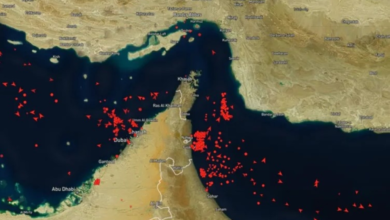
Internationally, these statements are raising concerns within the international community, as any direct military escalation between Iran and the United States or Israel threatens the security of navigation in strategic waterways, such as the Strait of Hormuz, through which a significant portion of the world's oil supply passes. This threat directly impacts energy markets and the global economy. Furthermore, Iran's insistence on receiving compensation and guarantees of non-repetition presents the US administration with a major diplomatic challenge, especially given the international pressure to avoid being drawn into a wider regional war.
In conclusion, Iranian Foreign Minister Abbas Araqchi's statements reflect a shift in Iranian diplomatic rhetoric toward greater hardening, with Tehran linking an end to open hostility to concrete conditions such as guarantees and compensation. The greatest challenge facing the international community remains finding a diplomatic path that prevents a slide into a full-blown confrontation.