Iran's conditions for ships passing through the Strait of Hormuz and the American proposal

Navigation developments and Iran's conditions for the passage of ships through the Strait of Hormuz
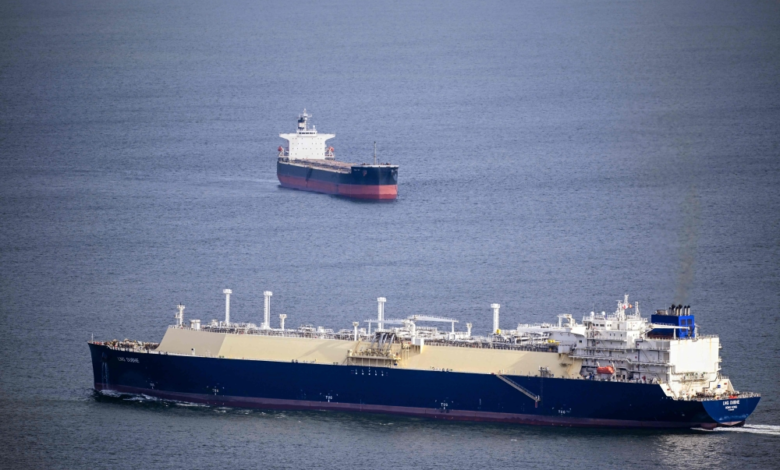
Amid escalating geopolitical tensions, Iranian authorities announced a new policy regarding maritime traffic, stating they will allow the passage of vessels they classify as “non-hostile” through the strategic Strait of Hormuz. This announcement comes on the 26th day of the military confrontations and tensions in the region. In this context, the International Maritime Organization (IMO) indicated it had received an official statement from Tehran clarifying that the passage of these vessels is conditional upon full compliance with maritime safety and security standards, as well as prior coordination with the relevant Iranian authorities to ensure safe navigation and avoid any accidental incidents.
The strategic and economic importance of the Strait of Hormuz
The Strait of Hormuz is one of the world's most important and vital waterways, serving as a major artery for energy supplies. Connecting the Persian Gulf, the Gulf of Oman, and the Arabian Sea, it carries approximately 20% of the world's total oil and gas consumption. Any threat to or closure of this strait, as occurred almost entirely by Tehran in recent weeks, immediately disrupts global supply chains and causes a sharp rise in oil prices, directly impacting the global economy and inflation rates in major industrialized nations heavily reliant on Middle Eastern energy.
Details of the American proposal to end the crisis
In an attempt to contain the situation and prevent the region from sliding into a full-blown war, media reports, including one by The New York Times citing officials, revealed that the United States had sent a 15-point diplomatic proposal to Tehran through Pakistani mediation. This proposal aims to end the state of war and reopen the Strait of Hormuz to unimpeded international shipping. It includes stringent conditions related to Iran's nuclear program, most notably setting a limit on uranium enrichment and the surrender of enriched materials that Washington and Tel Aviv fear could be used to develop nuclear weapons.
The repercussions of these developments on global energy markets
News of the US proposal and Iranian statements had an immediate positive impact on financial and energy markets. These developments led to a significant drop in oil prices of nearly 6%, easing investor anxiety. In this regard, former US President Donald Trump stated that Iran had given the United States a “very big gift” in the oil and gas markets, though he did not provide further details about the nature of this gift. This decline reflects the sensitivity of markets to any signs of a diplomatic breakthrough in the region.
Historical context and prospects for future diplomacy
To understand the deep roots of this crisis, one must consider the historical context of tensions between Washington and Tehran, which have centered for decades on Iran’s nuclear ambitions and regional influence. The current proposal offers significant incentives to Tehran, including lifting all economic sanctions and providing support for the development of nuclear energy for civilian purposes, particularly at the Bushehr plant, which has recently come under threat. While there has been no official comment from the White House or the State Department, these optimistic pronouncements about diplomacy come at a critical juncture, especially following reports of violent strikes in the region in February that led to an unprecedented escalation and changes in the Iranian leadership, plunging the Middle East into a new phase of complex conflict that demands fundamental solutions.