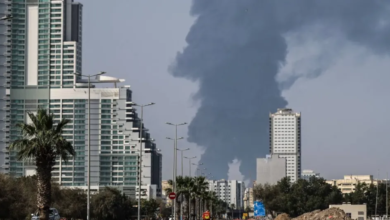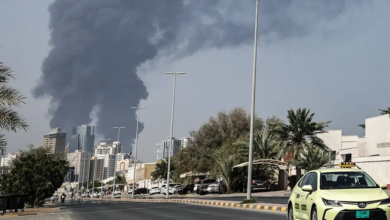

In a dangerous military escalation threatening the stability of the entire Middle East, Iranian military operations and attacks against the Gulf Cooperation Council (GCC) states entered their sixth day, amid growing international fears of a wider conflict. This rapidly escalating situation places the region at a critical historical juncture, as confrontations continue despite international calls for restraint and diplomatic efforts to contain the situation before it spirals completely out of control.
General context and historical background of the tensions
This escalation was not a sudden occurrence, but rather the culmination of decades of accumulated tensions between Tehran and the Gulf capitals. Disagreements over regional influence, the Iranian nuclear program, and interference in the internal affairs of Arab states have long been persistent points of friction. Historically, relations have experienced periods of ebb and flow, punctuated by diplomatic crises and proxy wars in arenas such as Yemen, Syria, and Lebanon. However, the shift to direct confrontation, as indicated by current events, represents a dangerous precedent that will reshape security alliances in the region.
Strategic importance and impact of the event
This conflict derives its extreme danger from the geopolitical location of the theater of operations. The Gulf Cooperation Council (GCC) states and Iran overlook the Strait of Hormuz, a vital artery through which approximately 30% of the world's seaborne oil supply passes. The continuation of the attacks for the sixth day puts global energy security at risk, potentially leading to dramatic spikes in oil and gas prices and further disrupting already fragile global supply chains.
Regional and international repercussions
Regionally, the continuation of this conflict threatens to draw other parties into the cycle of violence, potentially transforming the region into a multi-front open war zone. Internationally, the major powers are watching the situation with grave concern, as any threat to freedom of navigation in the Arabian Gulf typically prompts international intervention to protect vital economic interests. This escalation poses unprecedented security challenges and compels the international community to act immediately to activate conflict resolution mechanisms, given that the stability of the Gulf is a cornerstone of international peace and security.