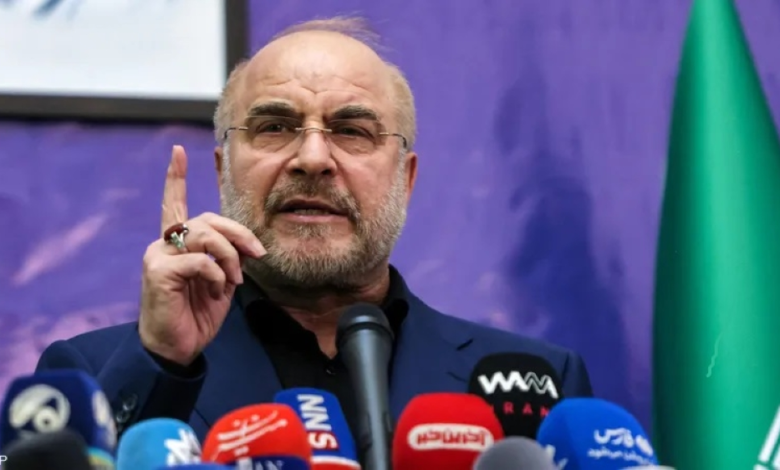

أعلن رئيس مجلس الشورى الإيراني، محمد باقر قاليباف، أن طهران سترد بقوة وحزم على أي هجوم تتعرض له، مؤكداً أن رد إيران الحاسم سيواجه أي طرف يحاول المساس بسيادتها. تأتي هذه التصريحات في وقت تتصاعد فيه حدة التوترات في منطقة الشرق الأوسط، على خلفية المواجهة المستمرة مع الولايات المتحدة والكيان الإسرائيلي، مما يضع المنطقة على حافة مواجهة أوسع نطاقاً.
ونقلت وكالة أنباء الطلبة الإيرانية (إسنا) عن قاليباف قوله: “اليوم، أظهر الشعب الإيراني في معركته مع أمريكا والكيان الصهيوني أن زمن توجيه تهديدات مجانية إلى إيران قد ولى، وأن أي عدوان سيُقابل برد حاسم ومتكافئ”. يعكس هذا الموقف الاستراتيجية الإيرانية القائمة على الردع، والتي تهدف إلى منع أي هجوم استباقي من خلال التأكيد على التكلفة الباهظة لأي مغامرة عسكرية ضدها.
أبعاد رد إيران الحاسم في ظل التوترات الإقليمية
تعود جذور التوتر الحالي إلى عقود من العلاقات المتأزمة بين إيران والغرب، والتي بلغت ذروتها مع انسحاب إدارة الرئيس الأمريكي دونالد ترامب من الاتفاق النووي (خطة العمل الشاملة المشتركة) في عام 2018، وإعادة فرض سياسة “الضغوط القصوى”. وقد أدت هذه السياسة إلى سلسلة من الحوادث الأمنية في مياه الخليج، وهجمات على قواعد تضم قوات أمريكية في العراق وسوريا، بالإضافة إلى “حرب الظل” المتبادلة مع إسرائيل التي شملت هجمات سيبرانية وعمليات استهداف لسفن ومواقع حساسة.
في هذا السياق، لا يُنظر إلى تصريحات قاليباف على أنها مجرد خطاب سياسي، بل هي تأكيد على استعداد إيران لاستخدام قدراتها العسكرية، بما في ذلك صواريخها الباليستية وطائراتها المسيرة، للدفاع عن مصالحها القومية. ويعتبر الخبراء أن أي مواجهة مباشرة قد لا تقتصر على الأطراف المعنية، بل قد تمتد لتشمل حلفاء إيران في المنطقة، مما يهدد استقرار الممرات الملاحية الحيوية وأسواق الطاقة العالمية.
قنوات التفاوض: رسائل متبادلة بلا تقدم ملموس
على الرغم من اللهجة العسكرية المشددة، لا تزال قنوات التواصل الدبلوماسي مفتوحة، وإن كانت متعثرة. فقد صرح نائب وزير الخارجية الإيراني، عباس عراقجي، بأن قنوات الاتصال مع الولايات المتحدة لم تُغلق بالكامل، ولكنها لم تحقق أي تقدم ملموس في المفاوضات الرامية إلى إنهاء التوترات في الشرق الأوسط.
ونقلت وكالة “تسنيم” عن عراقجي قوله: “لم تُقطع الاتصالات مع الأمريكيين، وجرى تبادل الرسائل بشأن ضرورة وقف العدوان على بيروت، لكن لم يُحرز أي تقدم ملموس في عملية التفاوض”. وأوضح أن عودة طهران إلى طاولة المفاوضات مرهونة بشروط واضحة، أبرزها ضمان حقوق الشعب الإيراني عبر رفع العقوبات، وإنهاء الحرب في لبنان، ووقف التصعيد في المنطقة. يعكس هذا الموقف تمسك إيران بمطالبها الأساسية كشرط مسبق لأي حوار جاد، مما يجعل الحل الدبلوماسي بعيد المنال في الوقت الراهن.