Iran calls on the United Nations to condemn the attacks and escalating tensions

Diplomatic tensions escalate: Iran addresses the United Nations
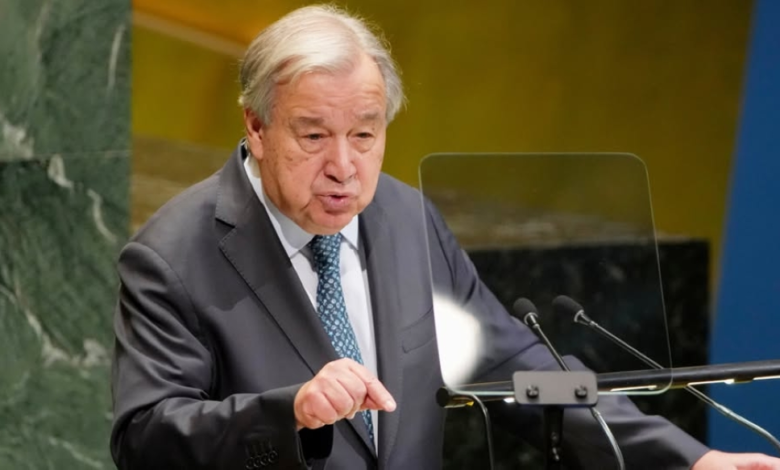
Amid the rapidly evolving situation in the Middle East, the Islamic Republic of Iran has issued a formal and firm demand to the United Nations. Specifically, Iranian Foreign Minister Abbas Araqchi spoke by telephone on Tuesday with UN Secretary-General António Guterres. During the call, Araqchi emphasized that Tehran expects a decisive stance from the international organization, specifically a clear condemnation of what he termed the “American-Israeli aggression” against Iranian territory and interests.
The Iranian Foreign Minister stressed the pivotal role the United Nations must play, pointing to its legal and moral responsibilities in maintaining international peace and security. He explained that the government and people of Iran earnestly expect the Secretary-General and the Security Council to take stronger and more responsible stances in unequivocally condemning the aggression and crimes committed. Araghchi warned of the serious consequences of ignoring these actions, asserting that silence or inadequate responses to such acts could pave the way for continued instability and escalating tensions throughout the region.
Military escalation: 16 Iranian ships destroyed
On the ground and military front, events are taking a dangerous escalatory turn. The US Central Command (CENTCOM) announced a military operation that resulted in the destruction of 16 Iranian vessels. According to the military statement, these vessels were intended for laying naval mines and were targeted near the strategic Strait of Hormuz, following reports that Iran had mined the waterway, which has been almost completely closed to maritime traffic due to the war in the Middle East.
In an official statement shared via the “X” platform, U.S. Central Command announced that U.S. forces destroyed several Iranian naval vessels on March 10. CENTCOM accompanied its announcement with videos documenting the moment the ships were struck by multiple projectiles and exploded, confirming the precision and scale of the operation.
Historical context and strategic importance of the Strait of Hormuz
To understand the dimensions of this escalation, one must consider the geopolitical importance of the Strait of Hormuz. This strait is one of the world's most vital waterways, through which roughly one-fifth of the world's daily oil production passes. Historically, Iran has used the threat of closing the strait or disrupting navigation as a political and economic pressure tactic in the face of Western sanctions and tensions with the United States.
For decades, the waters of the Arabian Gulf and the Strait of Hormuz have witnessed frequent incidents between Iranian Revolutionary Guard speedboats and US warships. These encounters have increased significantly in recent years, particularly after the US withdrawal from the Iran nuclear deal in 2018 and the subsequent “maximum pressure” campaign imposed by Washington on Tehran, culminating in the current tensions related to the ongoing conflict in the Gaza Strip and its impact on the security of the Red Sea and the Gulf.
Expected impact on the regional and international landscape
This combination of Iranian diplomatic activity at the United Nations and US military operations in the Gulf has far-reaching consequences. Regionally, this escalation exacerbates polarization and fears of a full-blown military confrontation that could draw in other countries in the region. It also casts a shadow over maritime security, prompting global shipping companies to reassess their routes and increase insurance costs, which directly impacts global energy prices and supply chains.
Internationally, this situation presents the United Nations and the international community with a true test of their ability to defuse the crisis. While Washington and its allies seek to deter any threats to international navigation, Tehran is attempting to garner international support against any military action against it, leaving the region on a knife's edge as the world watches with extreme caution.