
يتوجه وزير الخارجية الإيراني، عباس عراقجي، إلى مدينة جنيف السويسرية غدًا الثلاثاء، لعقد جولة ثانية وحاسمة من المحادثات النووية غير المباشرة مع الولايات المتحدة الأمريكية. وتأتي هذه الجولة استكمالاً للمسار الدبلوماسي الذي بدأ بوساطة عُمانية، حيث من المقرر أن يجتمع الجانب الإيراني مع مبعوثي الرئيس الأمريكي المنتخب دونالد ترامب، وهما ستيف ويتكوف وجاريد كوشنر، في محاولة لإيجاد أرضية مشتركة لخفض التصعيد.
لقاءات مكثفة مع الوكالة الدولية للطاقة الذرية
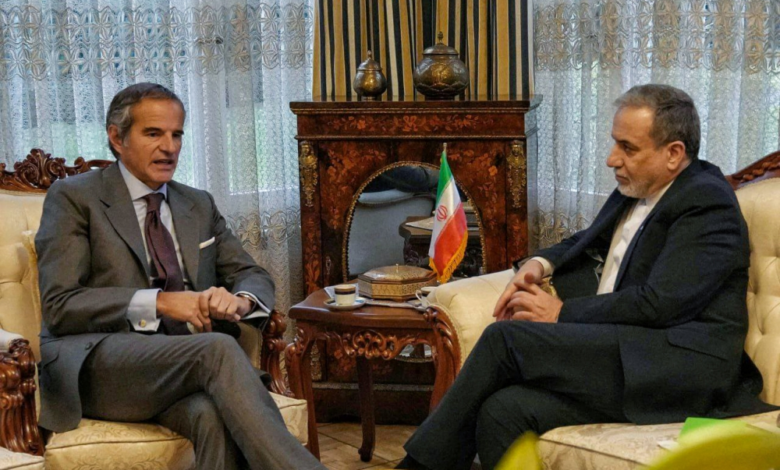
في سياق التحضير لهذه المحادثات، يلتقي عراقجي اليوم مع المدير العام للوكالة الدولية للطاقة الذرية، رافائيل غروسي. ويهدف هذا اللقاء إلى بحث آخر المستجدات التقنية والسياسية المتعلقة بالبرنامج النووي الإيراني، ومناقشة سبل تعزيز التعاون بين طهران والوكالة لضمان شفافية الأنشطة النووية، وهو ما يعتبر ركيزة أساسية لأي تقدم في المفاوضات السياسية مع الغرب.
استعداد إيراني لتقديم تنازلات مشروطة
وفي تطور لافت، أعرب نائب وزير الخارجية الإيراني، مجيد تخت روانجي، عن استعداد بلاده لتقديم تنازلات ملموسة فيما يتعلق بمخزونها من اليورانيوم عالي التخصيب. وأكد روانجي في تصريحات صحفية أن طهران منفتحة على التفاوض حول سقف التخصيب مقابل خطوة مقابلة تتمثل في رفع العقوبات الأمريكية التي أثقلت كاهل الاقتصاد الإيراني. وأشار إلى أن نجاح هذه المبادرة يعتمد كلياً على "صدق النوايا الأمريكية"، مؤكداً أن الاتفاق ممكن إذا تخلت واشنطن عن سياسة الضغوط القصوى.
الخلفية التاريخية: من الاتفاق إلى الانسحاب
تكتسب هذه المحادثات أهمية خاصة بالنظر إلى التعقيدات التي شابت الملف النووي الإيراني منذ عام 2018، حين انسحبت إدارة ترامب السابقة بشكل أحادي من خطة العمل الشاملة المشتركة (الاتفاق النووي لعام 2015). ذلك الانسحاب أدى إلى إعادة فرض عقوبات صارمة على طهران، مما دفع الأخيرة إلى التحلل التدريجي من التزاماتها النووية ورفع نسب تخصيب اليورانيوم إلى مستويات قريبة من الاستخدام العسكري، وهو ما أثار قلق المجتمع الدولي.
الأهمية الاستراتيجية للمحادثات الحالية
تأتي الجولة الثانية من المحادثات في توقيت إقليمي ودولي بالغ الحساسية. فعلى الصعيد الإقليمي، تسعى دول المنطقة إلى تجنب أي تصعيد عسكري قد يجر الشرق الأوسط إلى حرب مفتوحة، وتعتبر التهدئة في الملف النووي مفتاحاً للاستقرار. دولياً، يراقب العالم ما إذا كانت عودة فريق ترامب للمشهد ستعني استمراراً لسياسة الضغط أم تحولاً نحو صفقات براغماتية جديدة. إن نجاح هذه الجولة في جنيف قد يمهد الطريق لعودة الاستثمارات الأجنبية إلى إيران واستقرار أسواق الطاقة العالمية، بينما قد يؤدي فشلها إلى مزيد من التوتر والعزلة الدولية.