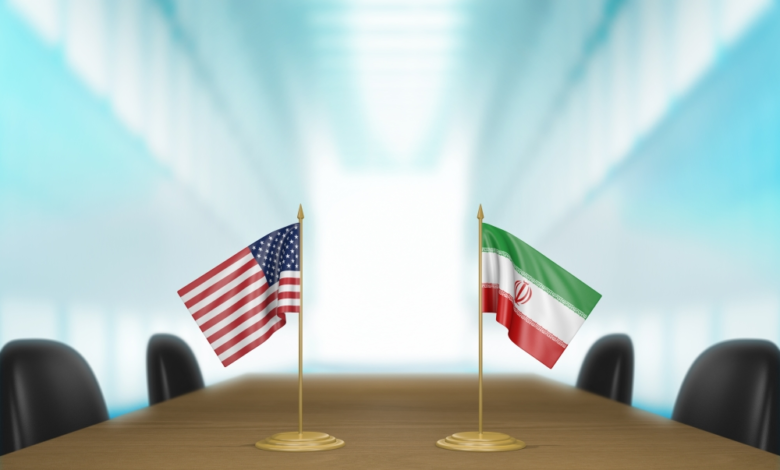
Iranian Foreign Minister Abbas Araqchi discussed the latest developments in the Iranian nuclear negotiations and the ongoing talks between Tehran and Washington during a phone call today with the Director General of the International Atomic Energy Agency (IAEA), Rafael Grossi. These discussions come at a sensitive time for international diplomacy as efforts are underway to break the long-standing deadlock surrounding the nuclear issue.
Emphasis on constructive dialogue and sustainable understanding
During the call, both sides emphasized the need for continued constructive engagement between the Islamic Republic of Iran and the IAEA, stressing that dialogue is the only way to advance the negotiation process and reach a lasting understanding acceptable to all parties. This high-level coordination coincides with recent Iranian diplomatic efforts, including the Geneva rounds of negotiations, aimed at finding common ground with the United States and Western powers.
Historical background: From the 2015 agreement to the complexities of the current landscape
These talks cannot be separated from the complex historical context of the Iranian nuclear issue. Since the United States' unilateral withdrawal from the Joint Comprehensive Plan of Action (JCPOA), also known as the Iran nuclear deal, in 2018, relations have been marked by escalating tensions and an exchange of punitive measures and provocative nuclear steps. Tehran seeks to lift the economic sanctions imposed on it through these negotiations, while Washington, the European powers, and the International Atomic Energy Agency aim to ensure the peaceful nature of Iran's nuclear program and strengthen monitoring and inspection mechanisms.
The pivotal role of the International Atomic Energy Agency
The relationship between Tehran and the International Atomic Energy Agency (IAEA) is the cornerstone of any future agreement. The international community demands that Iran fully cooperate with the IAEA's investigations into uranium particles found at previously undeclared sites, making coordination between Araqchi and Grossi vital to overcoming the technical obstacles that often hinder political progress.
Strategic importance and expected impacts
The success of these negotiations is of paramount importance beyond Iran's borders; reaching a lasting agreement or understanding would contribute to reducing tensions in the Middle East and bolstering the stability of global energy markets. Internationally, these talks are seen as a test of the effectiveness of diplomacy in resolving nuclear proliferation crises, making the world's attention focused on the outcome of these intensive contacts between Tehran and international organizations.