
Introduction: New developments in maritime navigation
In a significant development with far-reaching implications for global trade, Bloomberg News has revealed that Iranian authorities have begun imposing hefty transit fees on some commercial vessels passing through the strategic Strait of Hormuz. According to informed sources, these fees can reach approximately $2 million per voyage, representing a radical shift in the management of maritime traffic through one of the world's most vital energy transport waterways.
The mechanism for imposing fees and their selectivity
Reports indicate that these payments are being demanded irregularly, resulting in an informal and seemingly sudden system of fees for ships transiting the Strait. Available information confirms that some commercial vessels have already paid these exorbitant fees to avoid disruption to their operations, although the precise details regarding the currency used or the financial mechanisms employed remain unclear. According to the same sources, this Iranian policy does not appear to be applied uniformly or comprehensively to all vessels, reflecting a selective approach and raising questions about the criteria used to select the targeted ships.
General context and historical background of the Strait of Hormuz
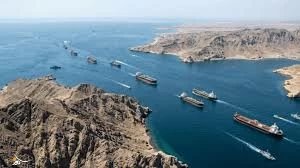
To understand the dimensions of this development, one must consider the geopolitical and historical significance of the Strait of Hormuz. Connecting the Persian Gulf, the Gulf of Oman, and the Arabian Sea, the strait is a crucial maritime chokepoint. Historically, this waterway has been the scene of numerous regional and international tensions, from the Tanker War of the 1980s to the recent incidents of ship seizures and attacks. Iran's influence stems from its geographical control of the strait's northern coast, meaning that any decisions made by Tehran have far-reaching implications for international maritime security.
The importance of the event and its expected impact on energy markets
The Strait of Hormuz is a vital waterway and a crucial artery for global crude oil and liquefied natural gas exports, with approximately one-fifth of the world's daily oil consumption passing through it. This reality means that any changes to transit mechanisms, such as the imposition of sudden tolls, would have a direct and profound impact on global energy markets. Such tolls are expected to increase shipping costs and raise insurance premiums for vessels, which could ultimately be reflected in higher energy prices for consumers worldwide and negatively affect the economies of oil-importing countries.
Diplomatic moves and the international stance
On the diplomatic and international front, these actions are causing widespread concern among major powers and energy-dependent nations. In this context, US President Donald Trump discussed with Indian Prime Minister Narendra Modi the importance of keeping the Strait of Hormuz open and secure for international shipping, according to a US envoy. These discussions reflect the sensitivity of the situation and the international community's commitment to ensuring the uninterrupted flow of energy supplies.
Current navigation situation
Despite these worrying developments and the imposed fees, Iranian state media reported that at least one commercial vessel recently managed to successfully transit the strait. The maritime landscape in the Strait of Hormuz remains unpredictable, with the international community closely watching the sustainability of this informal fee system and its future implications for the stability of global trade.