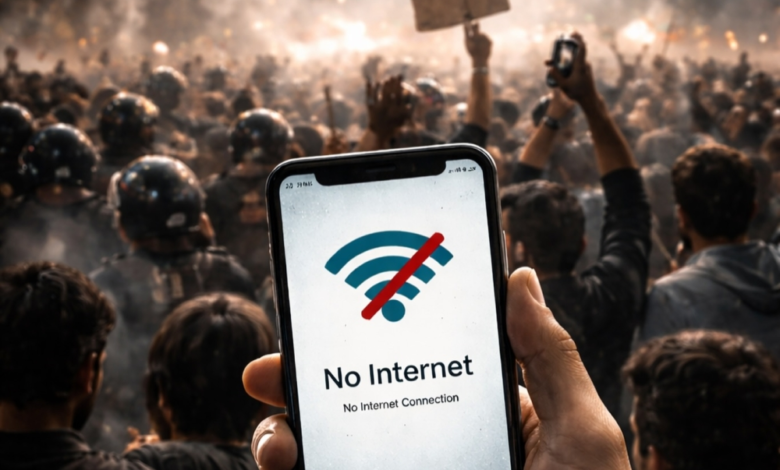

For several days, nearly 86 million Iranians have been living in near-total isolation from the outside world following a internet . This measure has disrupted email, text messaging, and other global digital applications, creating a stifling digital lockdown that coincided with the outbreak of popular protests.
The historical context of digital censorship policy
This is not the first time Tehran has resorted to internet shutdowns. Iranian authorities have consistently used this tactic of "digital blackouts" to control the flow of information in recent years, particularly since the 2009 protests and those of 2017 and 2019. The government relies on the National Information Network (NIN), a local internet network (intranet) that allows essential government and banking services to continue while isolating users from the global network. This explains why banking and taxi apps continue to function despite external outages.
Economic paralysis and business suffering
This internet blackout has cast a heavy shadow over the economy. An employee at a private Iranian company expressed his frustration to AFP, saying, "We come to the office, but there's no internet. I can't even communicate with my clients." Economists point out that the continued internet shutdown is costing the Iranian economy dearly every day, particularly startups and the service sector, which relies entirely on digital communication. This is exacerbating the economic hardship that was a major factor in the outbreak of the protests.
Details of the outage and limited alternatives
Authorities began cutting off services on January 8, preventing citizens from sharing photos and videos documenting the protests, which had evolved from demands for improved living conditions to political slogans. While international phone service from Iran to the rest of the world has been partially and poorly restored, platforms like YouTube, Instagram, and Telegram remain completely blocked, with access limited to heavily censored local content.
Daily life between normality and caution
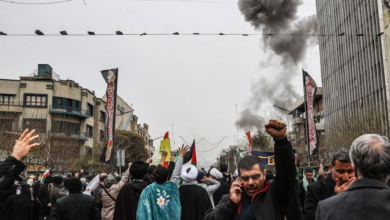
In Tehran's streets, the scene is contradictory. During the day, cafes are packed and roads are crowded, giving the appearance of normalcy. Pro-government rallies dominated the headlines of official newspapers like Kayhan, which described the events as a "historic humiliation" for Iran's enemies. But as evening falls, the scene changes completely. Economic activity slows, and shops close early as a precaution, despite the absence of an official curfew.
The official narrative and the mutual accusations
On the political front, the government has adopted a narrative accusing foreign powers of instigating the unrest. Burnt-out ambulances and other vehicles were visible in front of Tehran University, along with banners accusing "agents of the Zionist entity" of being behind the vandalism. Iranian Foreign Minister Abbas Araqchi confirmed that hundreds of shops, mosques, and transportation facilities were damaged, while state media focused on showcasing the losses and praising security forces, portraying the events as "terrorism" supported by the United States and Israel, in an attempt to turn domestic public opinion against the protesters.