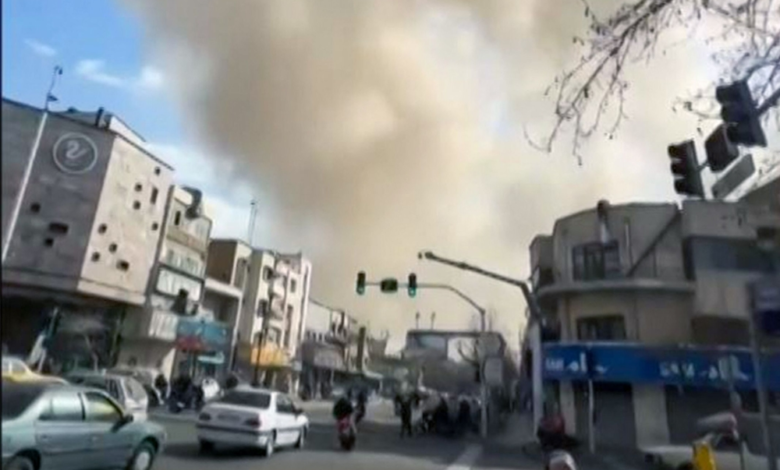
Recent technical data from NetBlocks, an organization that monitors network security and digital freedom, confirms that Iran's internet infrastructure suffered a near-total collapse on Saturday morning. This sudden outage coincides with the start of a large-scale joint military operation by the United States and Israel targeting strategic sites in Tehran and other Iranian cities.
Details of the digital blackout and the joint attack
The organization explained in a statement published on social media that network connectivity indicators showed a sharp decline, reaching the point of complete blackout in most Iranian provinces. Reports indicated that this measure is reminiscent of similar strategies observed during previous periods of tension, specifically during the military escalation in June 2015. Cybersecurity experts believe that internet shutdowns are a traditional defensive measure employed by the Iranian regime to control the flow of information and prevent the dissemination of images of damage or internal coordination during major crises.
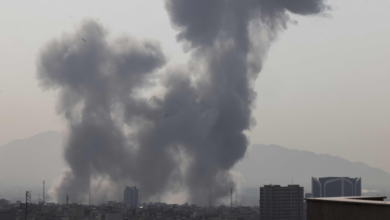
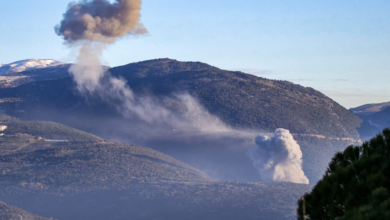
On the ground, eyewitnesses and journalists from international news agencies, including AFP, reported hearing loud explosions that shook central and northern Tehran, with thick plumes of smoke rising from several locations. This coincided with intense military aircraft activity, confirming the coordinated nature of the attack, which sources described as unprecedented in its scale and scope.
Israel announces: preemptive strike and state of emergency
In a significant development, the Israeli Ministry of Defense issued an official statement claiming responsibility for the attack, describing it as a necessary "preemptive strike" to neutralize imminent threats. Israeli Defense Minister Yisrael Katz declared an "immediate and special alert" across Israel, while sirens wailed in Jerusalem and residents received warning messages on their phones instructing them to remain near shelters.
Regional context and repercussions of escalation
This joint attack carries serious geopolitical implications, shifting the confrontation from a proxy war to a direct clash between the major powers in the region. Historically, relations between Tehran and Tel Aviv have been characterized by a protracted war of attrition, but the direct involvement of the United States in the attack represents a strategic shift that could alter the balance of power in the Middle East.
Observers believe this escalation could drag the region into a wider cycle of violence, with concerns about direct repercussions for global energy security and maritime traffic in the Strait of Hormuz. In such scenarios, Iran typically resorts to activating its military proxies in the region to retaliate, presenting neighboring countries and the international community with complex security and diplomatic challenges in the coming hours and days.