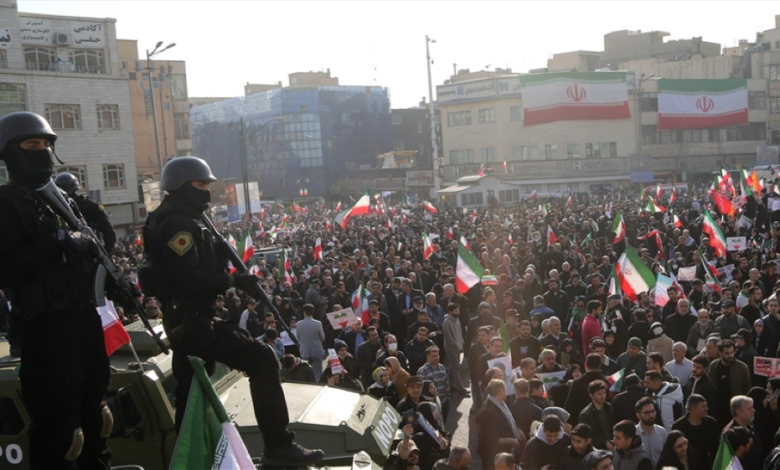

أصدر المرشد الأعلى للثورة الإسلامية في إيران، آية الله علي خامنئي، قراراً يقضي بالعفو أو تخفيف العقوبة عن 2108 من المدانين في قضايا مختلفة، وذلك استجابة للمقترح الذي قدمه رئيس السلطة القضائية غلام حسين محسني إيجئي. ويأتي هذا القرار تزامناً مع الاستعدادات لإحياء ذكرى انتصار الثورة الإسلامية الإيرانية عام 1979، وهي مناسبة سنوية اعتادت فيها القيادة الإيرانية على إصدار قرارات مماثلة كبادرة حسن نية تجاه فئات محددة من السجناء.
استثناء المشاركين في الاحتجاجات
على الرغم من شمول العفو لعدد كبير من المدانين، إلا أن السلطة القضائية الإيرانية أوضحت بشكل قاطع أن القائمة لا تتضمن أياً من الأشخاص الذين تم اعتقالهم أو إدانتهم على خلفية المشاركة في الاحتجاجات الأخيرة التي شهدتها البلاد. ونقل موقع "ميزان أونلاين" التابع للقضاء عن نائب رئيس السلطة القضائية، علي مظفري، تأكيده أن العفو يستثني المتهمين والمدانين في ما وصفه بـ "أعمال الشغب"، في إشارة واضحة إلى التظاهرات المناهضة للحكومة.
سياق ذكرى الثورة والصلاحيات الدستورية
تكتسب هذه الخطوة أهمية خاصة كونها تأتي في سياق احتفالات "عشرة الفجر"، وهي الأيام العشرة التي تحتفل فيها إيران بذكرى عودة الإمام الخميني إلى طهران وسقوط نظام الشاه. وبموجب المادة 110 من الدستور الإيراني، يمتلك المرشد الأعلى صلاحية العفو عن المحكومين أو تخفيف عقوباتهم بناءً على توصية من رئيس السلطة القضائية. ويُعد هذا الإجراء تقليداً سياسياً ودينياً يهدف إلى تعزيز اللحمة الداخلية، إلا أن استثناء المحتجين هذا العام يحمل رسائل سياسية حازمة للداخل والخارج بأن النظام يفصل بين الجرائم الجنائية والملفات الأمنية التي تمس استقرار الدولة.
خلفية الاحتجاجات وتداعياتها
تعود جذور التوترات الأخيرة إلى أواخر ديسمبر الماضي، حيث اندلعت احتجاجات شعبية واسعة النطاق بدأت كاعتراضات على غلاء المعيشة وتدهور الأوضاع الاقتصادية، قبل أن تتحول سريعاً إلى تظاهرات سياسية مناهضة للحكومة شملت مختلف المحافظات الإيرانية. وقد بلغت هذه الأحداث ذروتها في أوائل يناير، مخلفةً خسائر بشرية ومادية جسيمة.
وفي سياق متصل بالأرقام المعلنة، أشارت التقارير الواردة في نص الخبر الأصلي إلى أن طهران أقرت بسقوط ضحايا خلال الاضطرابات، حيث ذكرت المصادر أن العدد تجاوز 3000 شخص، بينهم عناصر من قوات الأمن ومارة لم يشاركوا في التظاهرات، وعزت السلطات هذا العنف إلى ما وصفته بـ "أعمال إرهابية" و"تحريض خارجي". في المقابل، تشير منظمات دولية وحقوقية إلى أن أعداد الضحايا وطبيعة التعامل الأمني مع المحتجين لا تزال محل جدل واسع في الأوساط الدولية، مما يجعل قرار العفو الأخير محط أنظار المراقبين الذين يرون فيه محاولة لتهدئة الشارع مع الحفاظ على القبضة الأمنية.