Iran launches True Promise-4 missiles at Israel in retaliation for Khamenei's assassination

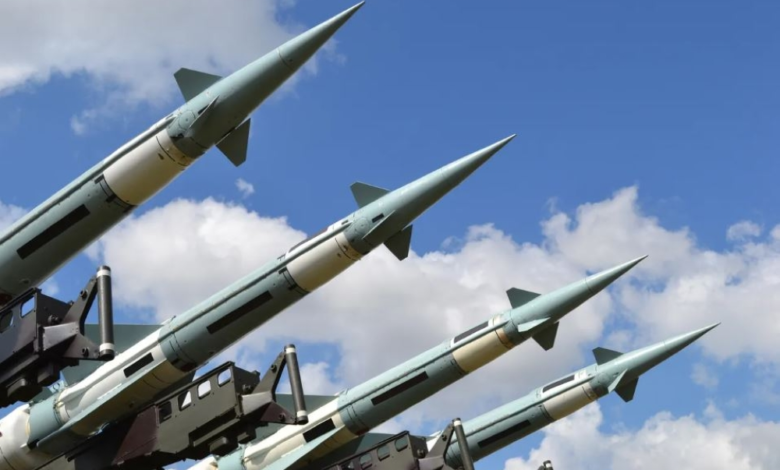
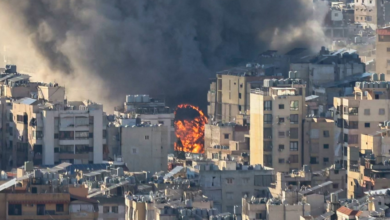
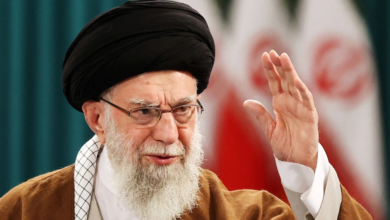
Iranian state television announced on Monday a serious military escalation in the Middle East, confirming the launch of a new barrage of ballistic missiles and drones toward occupied territories. This intensified attack comes as a direct and harsh response to the joint Israeli-American airstrikes that targeted sites in Iran and resulted in the assassination of Supreme Leader of the Islamic Revolution, Ali Khamenei, according to the official statement.
In a statement broadcast on state television around 3:30 PM (12:00 GMT), the channel quoted a brief statement from the Iranian Revolutionary Guard Corps (IRGC) announcing that its Aerospace Force had begun the "eleventh wave" of a large-scale military operation dubbed "True Promise-4." The statement indicated that this wave included precision missile strikes and suicide drone attacks targeting vital and military sites in the city of Beersheba in southern Israel.
Context of Operation True Promise and the Evolution of the Conflict
Operation "True Promise-4" is the latest in a series of military operations recently launched by Tehran under the same name, aimed at establishing a new deterrent against Israeli threats. Military experts indicate that the use of the term "True Promise" carries ideological and military significance for the Iranian leadership, underscoring the inevitability of responding to any attack on Iranian sovereignty or its top leadership.
Targeting the city of Beersheba in this wave is considered a qualitative shift in the target bank, as this area includes strategic Israeli military bases and sensitive centers, which means that Tehran is seeking to deliver a painful blow to the Israeli military infrastructure in response to the great loss represented by the assassination of the Supreme Leader.
Potential regional and international repercussions
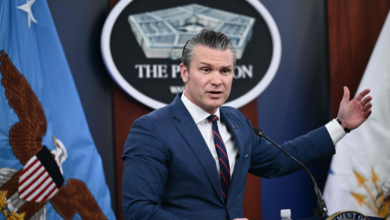
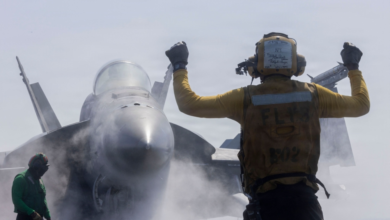
This unprecedented escalation places the entire region on the brink of a conflagration, with observers anticipating that the assassination of a figure as significant as Ali Khamenei and the subsequent fierce Iranian response will fundamentally alter the traditional rules of engagement. The conflict is no longer confined to border skirmishes or proxy wars; it now threatens a direct and open confrontation that could necessitate widespread international intervention, particularly given the indications of American involvement in the attack on Iran.
Attention is now focused on international reactions and the Security Council, amid concerns about the impact of this conflict on global energy supplies and the security of waterways in the Arabian Gulf and the Strait of Hormuz. The region's descent into the "True Promise-4" vortex means that all scenarios are now on the table, including the possibility of the war expanding to encompass multiple fronts in the region.