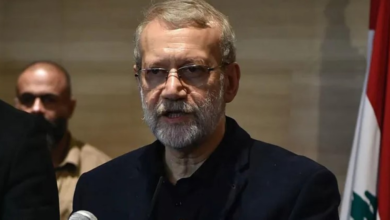

Iranian Foreign Minister Abbas Araqchi affirmed his country's full readiness to resume nuclear negotiations with world powers, stipulating that these talks must be based on "fair and equitable" foundations, amid escalating regional and international tensions surrounding the Iranian nuclear issue.
Araqchi's remarks came during a joint press conference he held with his Turkish counterpart, Hakan Fidan, where he stressed the firm Iranian position that Tehran "has never sought to possess nuclear weapons," and that its program is for peaceful purposes, a position that Tehran always repeats in the face of Western accusations.
Missile capabilities: a red line
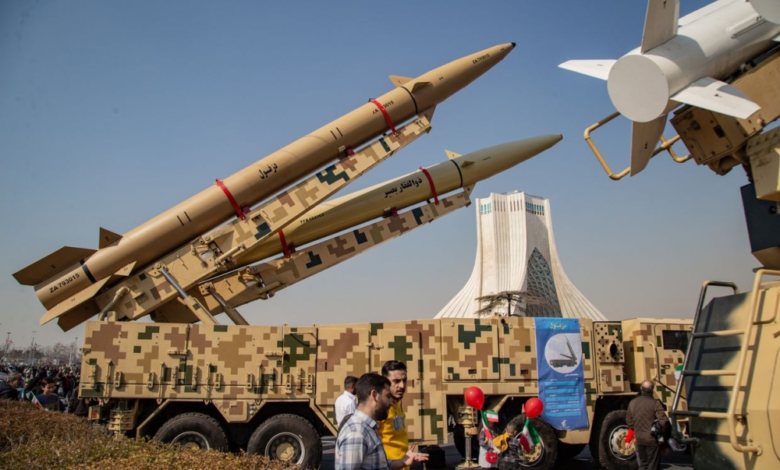
In addressing sensitive issues, the Iranian minister put an end to speculation about the possibility of including Iran's missile program in any future negotiations. Araghchi categorically denied any willingness on the part of Tehran to discuss its defense capabilities, asserting that this issue directly impacts Iranian national security.
Araghchi stated firmly, "I want to emphasize unequivocally that Iran's defense capabilities and missiles will never be subject to negotiation. The security of the Iranian people is a matter that concerns no one else." This statement effectively closes the door on Western demands, particularly from the US and Europe, which have long called for expanding the nuclear agreement to include curbing Iran's ballistic missile program and Tehran's regional influence.
Background to the crisis and political deadlock
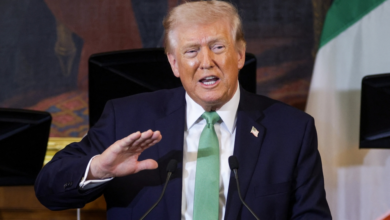
These statements come at a time when the nuclear agreement (the 2015 Joint Comprehensive Plan of Action) has been in a state of near-collapse since the United States unilaterally withdrew from it in 2018 under former President Donald Trump and reimposed crippling sanctions on Tehran. In response, Iran has gradually abandoned its nuclear commitments, increasing its stockpile of enriched uranium and raising enrichment levels to levels that have alarmed the International Atomic Energy Agency.
Araghchi explained in his speech that "there are no meetings scheduled at this stage with the United States," reflecting the depth of the current gap and the absence of effective direct diplomatic channels, despite the occasional mediation efforts by some regional countries.
Regional and international importance
This Iranian stance carries significant implications on both the regional and international levels. On the one hand, Tehran is attempting to send a reassuring message that it is open to diplomacy to lift the economic sanctions that are crippling its economy, while at the same time clinging to its deterrent equation represented by its missile arsenal.
The meeting with the Turkish side is of particular importance, given Turkey's pivotal role as a neighbor and trading partner, and its frequent efforts to de-escalate tensions in the region. Iran's reaffirmation of its principles from a regional platform indicates its desire to garner support from neighboring countries for its position, or at least to neutralize them in its conflict with the West, while emphasizing that its military capabilities are for defensive purposes and will not be used as a political bargaining chip.