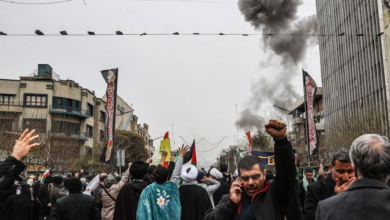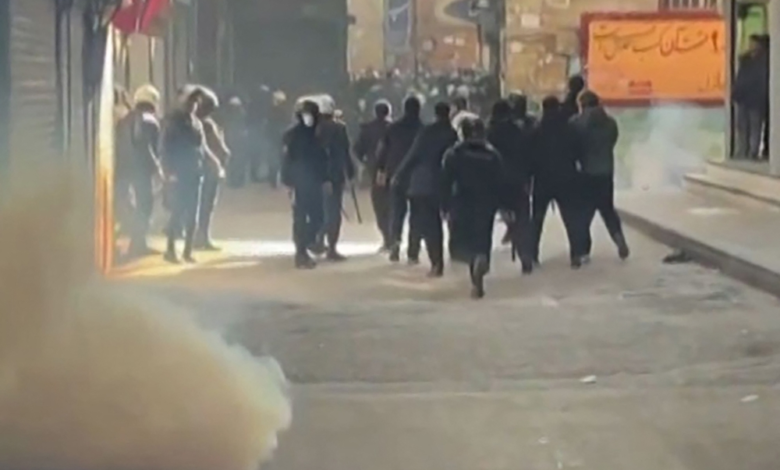

In a rare official announcement reflecting the scale of the unrest, Iranian state television reported that a total of 3,117 people have died during the recent wave of protests against the authorities in various parts of the country. This announcement is based on data released by the Iranian Foundation for Veterans and Martyrs, the official body responsible for documenting and supporting victims of national events or conflicts.
Official statistics and victim classification details
Iranian state television quoted a statement from the institution detailing the classification of the dead, explaining that 2,427 of the total fatalities were considered "martyrs." According to the official narrative, this classification includes members of the security forces who died while performing their duty in confronting what the authorities describe as "riots," as well as civilians whom the institution deemed "innocent victims" who died without any involvement in inciting or participating in acts of sabotage. This classification implicitly suggests that the remaining fatalities are considered by the authorities to have been active participants in the anti-regime protests.
Context of the unrest and historical background
These figures come at a time when Iran experiences periodic waves of popular protests fueled by a complex interplay of factors. Historically, the Islamic Republic has faced numerous internal challenges, often sparked by deteriorating economic conditions, high inflation, and a depreciating currency, as well as international sanctions that have directly impacted the lives of ordinary Iranians. These economic demands frequently evolve into political and social demands calling for greater freedoms and structural reforms to the system of governance.
These protests are part of a series of events the country has witnessed in recent years, where authorities typically adopt a strict security approach to dealing with unauthorized gatherings, often resulting in casualties on both sides. The revelation of a death toll exceeding three thousand is unprecedented, as international human rights organizations routinely accuse Tehran of concealing the true number of victims.
Local and international repercussions
This announcement is expected to provoke widespread reactions both domestically and internationally. Domestically, acknowledging such a large number of victims could inflame resentment among the families of those killed who were not recognized as "martyrs," further complicating national reconciliation efforts and exacerbating internal tensions. It also raises questions about the effectiveness of security forces in handling civil crises.
Internationally, human rights organizations and Western countries are likely to use these statistics as further evidence to criticize Iran's human rights record. This could lead to renewed calls for independent investigations into the use of excessive force and potentially further diplomatic pressure or economic sanctions against Tehran, which already faces international isolation on several issues.