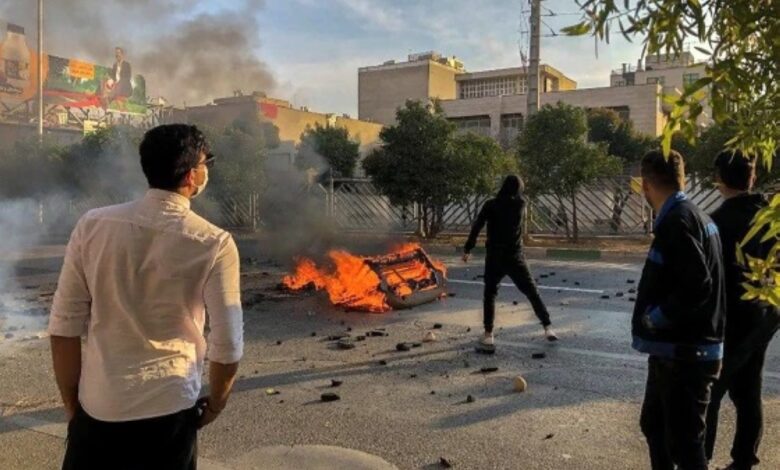

International human rights organizations have issued urgent appeals and warned of an imminent massacre in Iran, after credible reports revealed that the death toll from the two weeks of protests has risen to at least 192. These bloody developments come amid an unprecedented media and digital blackout imposed by Iranian authorities to isolate protesters from the outside world.
The roots of the crisis: from economics to politics
The protests, which began on December 28, have transformed from purely economic demands into a widespread political movement calling for a fundamental change in the structure of the regime. The movement began with a strike by merchants in Tehran's Grand Bazaar, historically the heart of the traditional economy and a sensitive indicator of the country's political stability. This strike was a response to the rapid collapse of the local currency's exchange rate and the erosion of citizens' purchasing power—structural economic crises that have exacerbated the suffering of ordinary Iranians.
The chants quickly went beyond the economic ceiling to raise direct political slogans against the authorities of the Islamic Republic, which has been in place since 1979. This wave of demonstrations constitutes one of the most serious challenges facing the Iranian leadership and its Supreme Leader, Ayatollah Ali Khamenei (86 years old), especially as it comes at a critical time following a 12-day war with the Israeli occupation entity last June, which witnessed American intervention, which increased the state of internal tension and external pressures.
Digital blackout: the silent weapon of power
In an attempt to control the flow of information and prevent further gatherings, Iranian authorities have maintained a complete internet blackout for over 60 hours, according to NetBlocks, an organization specializing in monitoring cybersecurity and internet governance. Human rights organizations have confirmed that the communications blackout is not only intended to paralyze the movement of protesters but also severely hinders the documentation of violations and the dissemination of information to the international community, raising serious concerns that the actual death toll is far higher than what is being reported.
The Norway-based Iran Human Rights Organization (IHR) reported that it had been able, with great difficulty, to confirm the deaths of 192 protesters, noting that network outages were hindering field verification. These figures represent a horrifying jump compared to the last count released on January 11, which documented only 51 deaths, indicating a dramatic escalation in security violence.
Horrifying testimonies and warnings of a "massacre"
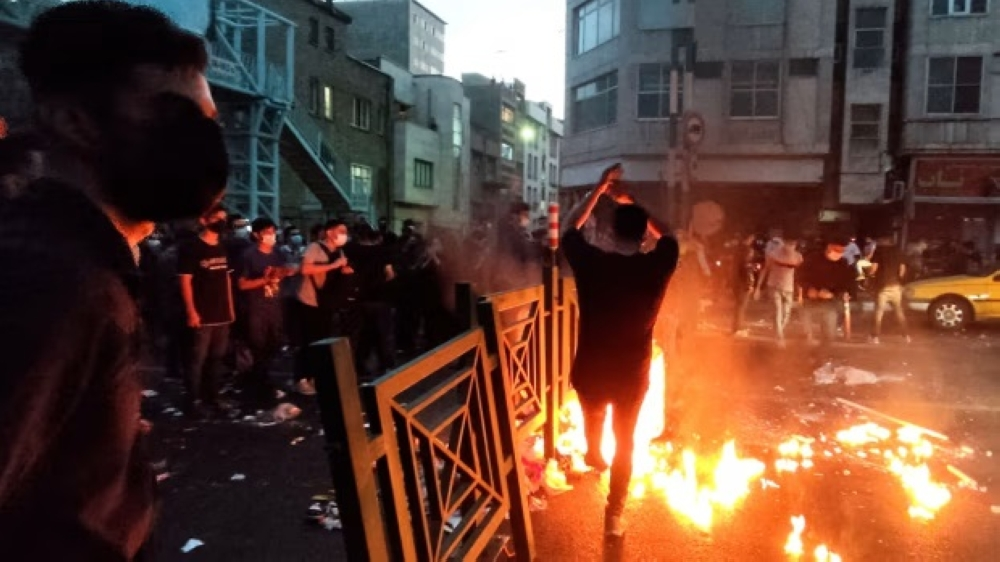
Despite the digital blackout, videos leaked out documenting massive nighttime demonstrations in the capital, Tehran, and major cities like Mashhad in the east, during the nights of Thursday, Friday, and Saturday. The footage showed violent clashes and excessive use of force.
For its part, the US-based Center for Human Rights in Iran confirmed receiving eyewitness accounts and field reports indicating that hundreds of protesters were killed across the country under the cover of the internet blackout. The center issued a stark warning: “A massacre is currently underway in Iran, and the world must act immediately to prevent further loss of life.”.
Medical reports from inside Iran indicate that hospitals are overflowing with wounded, with critically low blood supplies and emergency medical equipment. A disturbing pattern of injuries has also been observed, with many protesters suffering direct eye injuries, suggesting that security forces deliberately used fragmentation weapons or rubber bullets at close range to inflict permanent disabilities.
The official narrative and widespread arrests
In contrast, Iranian authorities adopted a hardline approach, with officials acknowledging the existence of grievances related to living conditions but vowing to show no leniency toward those they labeled "saboteurs" and "rioters." State television broadcast footage of funerals for members of the security forces killed during the unrest, in an attempt to rally public opinion in support of the regime.
In a related development, the human rights organization HRANA reported documenting the deaths of 116 people, including 37 security personnel. Meanwhile, Iranian police chief Ahmad Reza Radan stated on state television that a large number of "key figures" leading the protests had been arrested, threatening them with severe punishment. He did not disclose the number of those arrested or their places of detention, raising concerns about their legal and humanitarian status.