Iran protests escalate: deaths, calls for strikes, and international condemnation

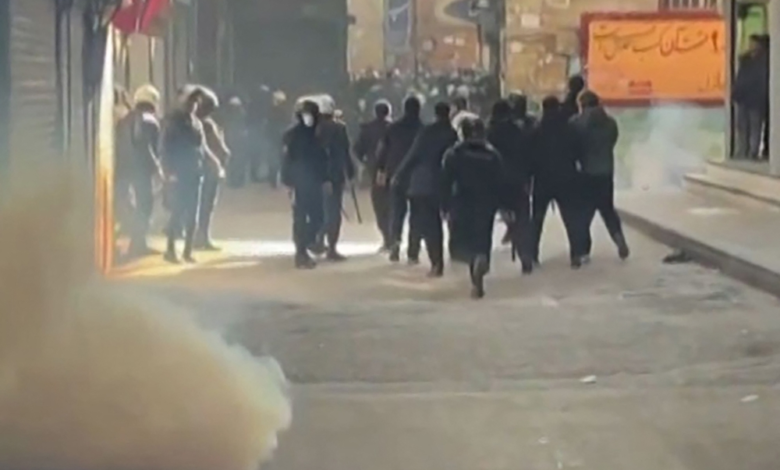
The Iranian scene has witnessed a dangerous escalation in clashes between protesters and security forces, with authorities resorting to excessive force, including tear gas and live ammunition, to disperse protest gatherings that have spread across various parts of the country. These developments come as the popular movement enters its twelfth day, initially sparked by protests against deteriorating living conditions before evolving into a widespread political uprising.
Background to the crisis and the shift in demands
These protests were not spontaneous, but rather the culmination of complex economic and political factors. The first spark ignited on December 28th with a strike by merchants in Tehran's bazaar, protesting the rapid collapse of the local currency and the erosion of citizens' purchasing power under the weight of US and international sanctions imposed on Tehran. The chants quickly transcended economic concerns, targeting the highest levels of the Iranian political establishment, with protesters chanting slogans against Supreme Leader Ayatollah Ali Khamenei, reflecting the deep chasm between the public and the ruling power.
The clashes have spread and casualties have been reported
The protests have spread to sensitive geographical areas, particularly in the west of the country where Kurdish and Lur minorities are concentrated. In a significant development, local media reported the stabbing death of police officer Shahin Dehghan in the city of Malard, west of Tehran, while he was attempting to quell the unrest, indicating an escalation in the violence.
In a related context, Iranian Kurdish opposition parties based in Iraq, including the banned Komala party, called for a general strike in predominantly Kurdish areas, in an attempt to unite ranks and put pressure on the regime by paralyzing economic activity in those vital areas.
Human rights monitoring and international condemnation
On the human rights front, the HRANA organization documented protest movements in 348 locations spread across all 31 Iranian provinces. The organization published video clips showing the use of excessive violence in cities such as Karaj and Tonekabon, in addition to the shooting of protesters in the city of Abadan.
For its part, Amnesty International confirmed that the security forces' handling of the protests was characterized by "unlawful use of force," noting that there were deaths and injuries among participants and even bystanders. Human rights groups also accused the authorities of violating the sanctity of hospitals by raiding them to arrest the wounded, a clear breach of international conventions.
Expected regional and international repercussions
The continuation of these protests carries profound implications that extend beyond Iran's internal affairs. Regionally, Tehran's preoccupation with its domestic crises could diminish its influence on the region's volatile issues. Internationally, the documentation of human rights abuses places the Iranian government under increasing diplomatic pressure, potentially paving the way for new human rights sanctions by Western countries, which would further isolate Tehran both politically and economically.