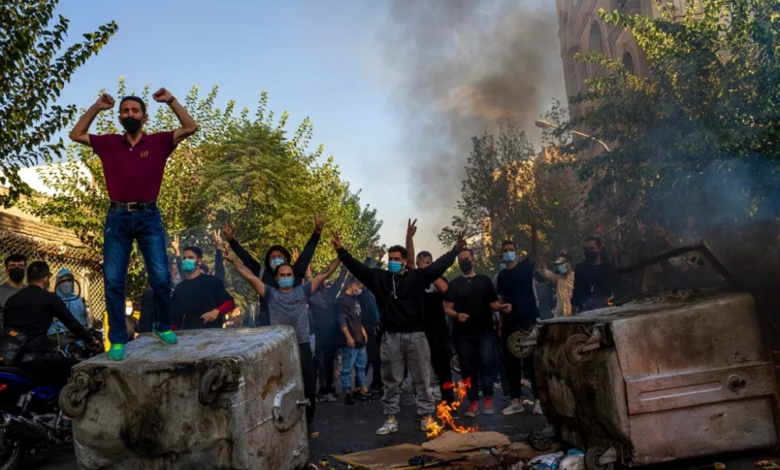

In a dangerous escalation of the security situation in Iran, recent human rights reports have revealed that at least 27 protesters, including five children, were killed in a violent crackdown by Iranian security forces. These bloody developments come roughly ten days after the protests erupted in late December and quickly spread across much of the country.
Details of the bloody crackdown and targeting of protesters
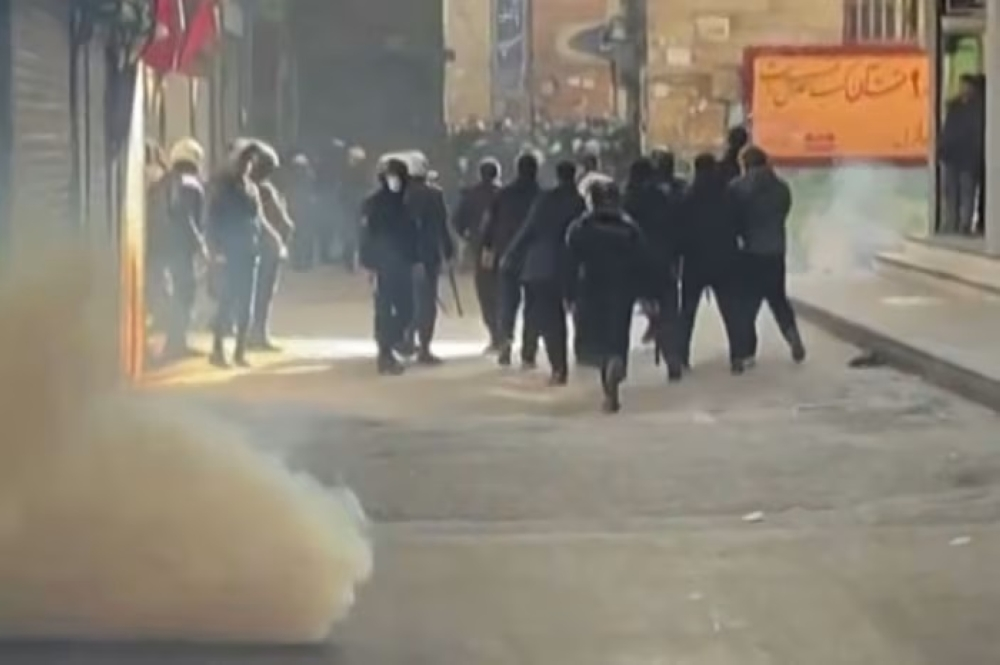
Iran Human Rights reported in a statement on Tuesday that security forces used live ammunition and various forms of excessive force in eight different provinces, resulting in this high number of casualties. The violations were not limited to direct killings; they also included the use of tear gas to disperse crowds in vital areas such as Tehran's bazaar, the economic heart of the capital, which carries profound political and economic implications.
In a horrific incident on Saturday in Malekshahi County, Ilam Province, in western Iran, the organization accused security forces of directly firing on protesters, killing at least six people. The violations did not stop there; they extended to raids on hospitals. On Sunday, security forces stormed a hospital in Ilam where the wounded had been taken and arrested several of them in a flagrant violation of humanitarian and medical norms.
Widespread public anger
Documented data indicates that the arrest campaign has targeted more than 1,000 people so far, in an attempt by the authorities to control the situation. Despite the tight security grip, the protests have spread to at least 26 of Iran's 31 provinces, reflecting the scale of escalating public anger. Universities have also joined the movement, with more than 20 universities witnessing student demonstrations demanding change and reform.
General context and political dimensions
These protests are part of a series of demonstrations that have swept Iran in recent years, often fueled by a combination of crippling economic crises, soaring inflation, and political and social demands. The participation of the bazaar and universities in the protests is a significant indicator of the unity among diverse segments of Iranian society—from the working class and merchants to the intellectual elite and students—in their opposition to current government policies.
Observers believe that the continued violent security response to protesters could exacerbate Tehran’s international isolation and increase the likelihood of new human rights sanctions, at a time when the country is already suffering from external and internal economic pressures.