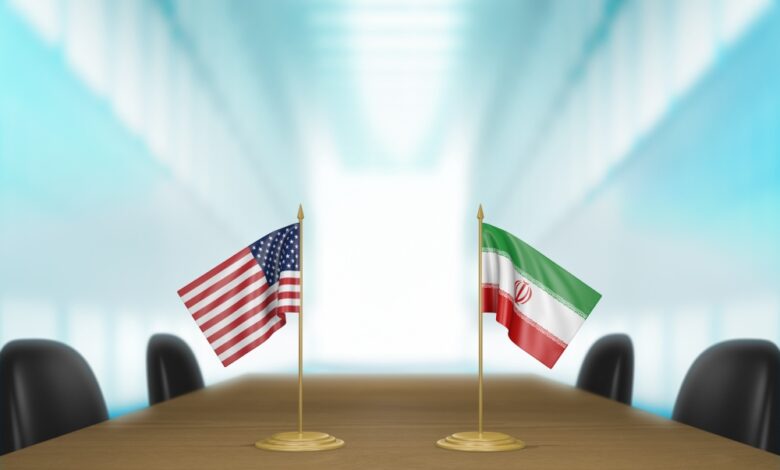

أعلن الرئيس الإيراني، مسعود بزشكيان، عن استعداد طهران الكامل للخضوع لجميع عمليات التحقق الدولية اللازمة لإثبات الطبيعة السلمية لبرنامجها النووي. ويأتي هذا التصريح في توقيت حساس تشهد فيه المنطقة حراكاً دبلوماسياً مكثفاً، ومحاولات لإحياء مسار التفاوض بين طهران والقوى الغربية، وعلى رأسها الولايات المتحدة الأمريكية.
تفاصيل الموقف الإيراني والمحادثات في مسقط
تأتي تصريحات بزشكيان تعزيزاً للموقف الذي طرحه وزير الخارجية الإيراني، عباس عراقجي، الذي أشار مؤخراً إلى وجود جدية من الجانب الأمريكي بشأن إجراء مفاوضات حقيقية. وقد كشف عراقجي عن جولة محادثات جرت في العاصمة العمانية مسقط، واصفاً الأجواء بـ"الإيجابية"، ومؤكداً رغبة الطرفين في استئناف الحوار قريباً. ورغم هذه الإيجابية، شدد عراقجي في مؤتمر صحفي على أن بلاده لن تتخلى عن حقها في تخصيب اليورانيوم تحت أي ظرف، حتى في حال التلويح بالحرب، معتبراً أن البرنامج النووي السلمي هو حق سيادي لإيران.
خلفية تاريخية: من الاتفاق النووي إلى التصعيد
لفهم عمق الأزمة الحالية، يجب العودة إلى السياق التاريخي للاتفاق النووي (JCPOA) الموقع عام 2015، والذي انسحبت منه واشنطن أحادياً عام 2018. منذ ذلك الحين، تصاعدت التوترات بشكل غير مسبوق؛ حيث أعادت الولايات المتحدة فرض عقوبات اقتصادية خانقة ضمن حملة "الضغوط القصوى"، وردت طهران بتقليص التزاماتها النووية ورفع نسب تخصيب اليورانيوم إلى مستويات أثارت قلق المجتمع الدولي. وتعتبر التصريحات الحالية لبزشكيان محاولة لكسر الجمود المستمر منذ سنوات، وإشارة إلى رغبة طهران في تخفيف العزلة الدولية مقابل ضمانات اقتصادية ملموسة.
الأبعاد الإقليمية والدولية وتحديات التفاوض
لا تقتصر القضية على الملف النووي فحسب، بل تمتد لتشمل توازنات القوى في الشرق الأوسط. فالولايات المتحدة، التي عززت وجودها العسكري في المنطقة ونشرت قطعاً بحرية، تسعى لتوسيع نطاق أي اتفاق مستقبلي ليشمل بندين إضافيين ترفضهما طهران حتى الآن: الحد من البرنامج الصاروخي الباليستي الإيراني، ووقف الدعم للجماعات المسلحة في المنطقة. في المقابل، تعتبر إيران قدراتها الصاروخية خطاً أحمر وجزءاً من عقيدتها الدفاعية الردعية، خاصة في ظل التوترات مع إسرائيل ودول الجوار.
إجراءات بناء الثقة والوضع الداخلي
على الصعيد الداخلي، تواجه الحكومة الإيرانية ضغوطاً اقتصادية هائلة نتيجة العقوبات، تزامنت مع احتجاجات شعبية واسعة. ويرى مراقبون أن استعداد إيران لمناقشة "إجراءات لبناء الثقة"، كما ذكر عراقجي، يعكس حاجة ملحة لرفع العقوبات لتحسين الوضع المعيشي. ومع ذلك، تبقى المعضلة في التوفيق بين المطالب الأمريكية الشاملة والتمسك الإيراني بما تعتبره حقوقاً سيادية، وسط ترقب دولي لما ستسفر عنه المشاورات مع القوى الكبرى الأخرى مثل الصين وروسيا.