
إيران ترفض وقف إطلاق النار: تفاصيل الرد المكون من 10 بنود
في تطور بارز على الساحة الدولية، أفاد الإعلام الرسمي الإيراني بأن طهران رفضت بشكل قاطع مقترحاً لوقف إطلاق النار في ظل التصعيد العسكري المستمر منذ أكثر من شهر مع الولايات المتحدة وإسرائيل. وأوضحت وكالة الأنباء الإيرانية الرسمية (إرنا) أن طهران نقلت عبر القنوات الدبلوماسية في باكستان ردها الرسمي على المقترح الأمريكي. وجاء هذا الرد مفصلاً في عشرة بنود أساسية، حيث لم تكتفِ إيران برفض الهدنة المؤقتة، بل شددت على ضرورة التوصل إلى وقف نهائي وشامل للنزاع، مما يعكس موقفاً متصلباً تجاه المبادرات المطروحة التي لا تعالج الجذور الأساسية للتوترات من وجهة النظر الإيرانية.
السياق التاريخي والتوترات الإقليمية
تأتي هذه التطورات في سياق تاريخي معقد من التوترات الجيوسياسية في منطقة الشرق الأوسط. لطالما شهدت العلاقات بين إيران من جهة، والولايات المتحدة وإسرائيل من جهة أخرى، صراعات غير مباشرة وحروب وكالة، إلا أن التصعيد الأخير الذي تجاوز شهره الأول ينذر بمرحلة جديدة من المواجهة المباشرة. وتلعب باكستان، بحكم موقعها الجغرافي وعلاقاتها الدبلوماسية، دوراً في نقل الرسائل في ظل غياب العلاقات الدبلوماسية المباشرة بين واشنطن وطهران، حيث تسعى القوى الإقليمية والدولية إلى منع انزلاق المنطقة نحو حرب إقليمية شاملة قد تدمر البنية التحتية وتزعزع الاستقرار العالمي.
انفجارات غامضة تضرب حقل بارس الجنوبي
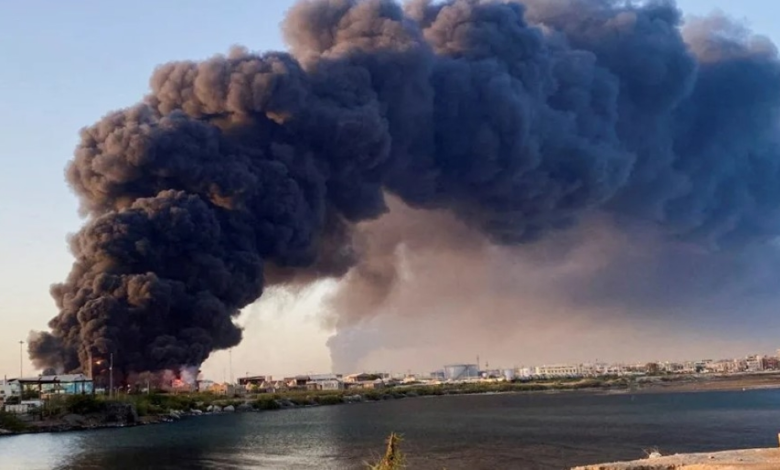
بالتزامن مع التطورات السياسية، كشفت وكالة “فارس” الإيرانية للأنباء عن وقوع سلسلة من الانفجارات العنيفة في أكبر مجمع للغاز في إيران. وأكدت الوكالة أن هذه الانفجارات استهدفت المجمع البتروكيميائي التابع لحقل بارس الجنوبي للغاز، والواقع في مدينة عسلوية بمحافظة بوشهر جنوبي البلاد. ورغم عدم تقديم السلطات الإيرانية تفاصيل إضافية حول أسباب الانفجارات أو حجم الخسائر المادية والبشرية، إلا أن توقيت الحادث يثير تساؤلات عديدة حول احتمالية وجود هجمات سيبرانية أو عمليات تخريبية متعمدة في ظل حالة التأهب القصوى التي تعيشها البلاد.
الأهمية الاستراتيجية لحقل بارس وتأثير الحدث
يُعد حقل بارس الجنوبي (الذي تتقاسمه إيران مع دولة قطر حيث يُعرف هناك بحقل الشمال) أكبر حقل للغاز الطبيعي في العالم، ويمثل الشريان الحيوي للاقتصاد الإيراني وقطاع الطاقة. إن أي استهداف أو تعطل في هذا المجمع الاستراتيجي لا يؤثر فقط على الإمدادات المحلية من الغاز والكهرباء في إيران، بل يمتد تأثيره ليشمل أسواق الطاقة العالمية. من الناحية الاقتصادية، تعتمد طهران بشكل كبير على صادرات البتروكيماويات لتوفير العملة الصعبة في ظل العقوبات الدولية المفروضة عليها.
التداعيات المتوقعة محلياً ودولياً
على الصعيد المحلي، قد تؤدي هذه الانفجارات إلى أزمات في توفير الطاقة للمواطنين والمصانع الإيرانية، مما يزيد من الضغوط الاقتصادية الداخلية. أما إقليمياً ودولياً، فإن رفض إيران لمقترح وقف إطلاق النار، مقترناً باستهداف بنيتها التحتية الحساسة، ينذر بتصعيد خطير قد يدفع الأطراف المتنازعة إلى تكثيف ضرباتها العسكرية. هذا المشهد المعقد يضع المجتمع الدولي أمام تحدٍ كبير لاحتواء الأزمة، حيث أن استمرار النزاع يهدد أمن الملاحة في الخليج العربي ومضيق هرمز، مما قد يؤدي إلى تقلبات حادة في أسعار النفط والغاز العالمية، ويؤثر سلباً على الاقتصاد العالمي بأسره.