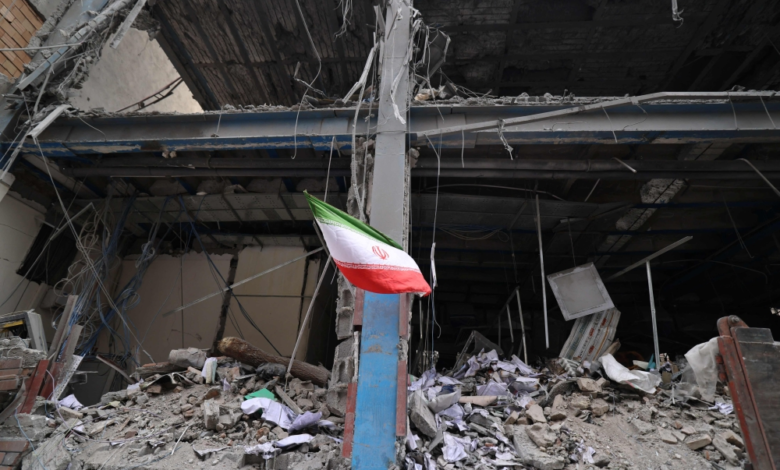

Tensions escalate: Iran rejects calls for dialogue
Amid escalating geopolitical tensions in the Middle East, Iranian Foreign Minister Abbas Araqchi announced on Sunday Tehran's firm stance against holding any direct talks with the United States. This categorical statement comes as a direct response to claims made by US President Donald Trump, who suggested that the Iranian leadership was seeking an agreement aimed at ending the state of war and conflict in the region.
Details of the Iranian response to Trump's statements
During a television interview with CBS News that aired on Sunday, Iranian Foreign Minister Abbas Araqchi emphasized the strength of his country's domestic position. He stated, "We are stable and strong enough, and we are focused solely on defending our people and our national interests." Araqchi added bluntly, "We see no logical reason to talk to the Americans at the moment, because we were already talking to them when they made the decision to attack us," clearly indicating the deep-seated mistrust between the two sides.
The historical context of Iranian-American relations
To understand the roots of this Iranian rejection, one must return to the complex historical context of Iranian-American relations. These relations have witnessed an unprecedented deterioration since 2018, when US President Donald Trump, during his first term, unilaterally withdrew from the 2015 Iran nuclear agreement (the Joint Comprehensive Plan of Action). This was followed by the imposition of a “maximum pressure” campaign that included crippling economic sanctions on Tehran. Hostility escalated dangerously in early 2020 following the assassination of Quds Force commander Qassem Soleimani in a US airstrike, an event that continues to cast a shadow over any attempt at direct diplomatic rapprochement.
The importance of the event and its regional and international impact
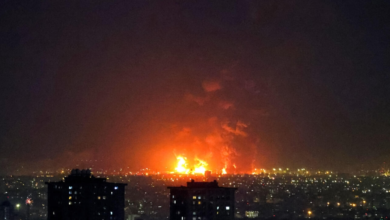
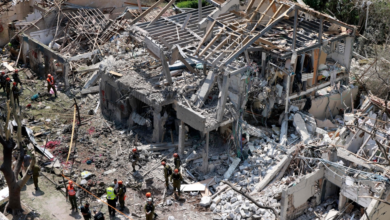
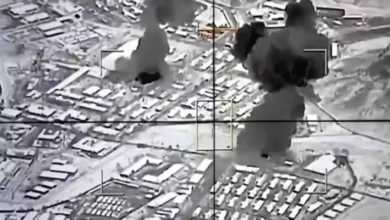
This Iranian stance rejecting talks carries significant weight and far-reaching implications at both the regional and international levels. Domestically , this rhetoric strengthens the cohesion of the Iranian home front and underscores Tehran's policy of "resistance" in the face of external pressures. Regionally , this declaration comes at a time when the Middle East is witnessing a raging war and unprecedented tensions, particularly with the ongoing conflicts in Gaza and Lebanon, and the exchange of strikes between Israel and Iran. Refusing dialogue means perpetuating polarization and security tensions, keeping the countries of the region on constant alert.
At the international level , the closure of diplomatic channels between Tehran and Washington complicates the international community's efforts to find peaceful solutions to the crises in the Middle East and Iran's nuclear program. This situation is pushing Tehran to strengthen its strategic alliances with other global powers such as Russia and China, contributing to a reshaping of global geopolitical alliances away from direct Western hegemony.
The future of diplomacy in the Middle East
In conclusion, Iranian Foreign Minister Abbas Araqchi's statements reflect the deep divide and lack of trust between Tehran and Washington. With each side clinging to its position, the prospect of a direct diplomatic solution appears to remain blocked, leaving the Middle East open to all possibilities and political and military escalations in the foreseeable future.