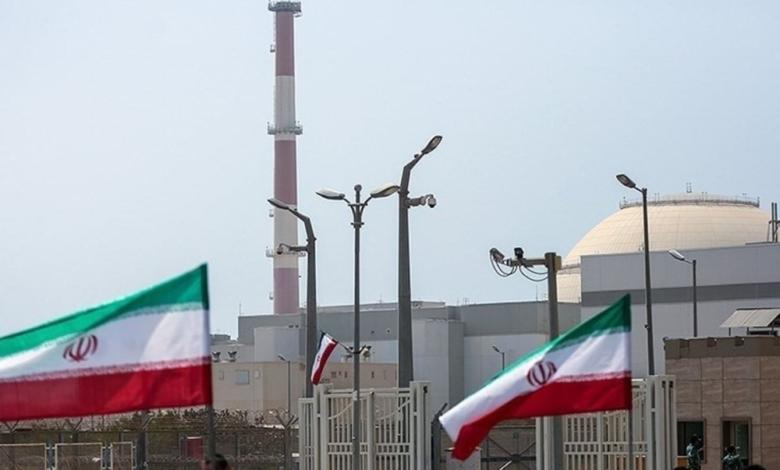
In a new escalation on the diplomatic front, Iran on Saturday for an emergency meeting of the Board of Governors of the International Atomic Energy Agency (IAEA ). This formal request comes in response to what Tehran described as "baseless" allegations by the United States and Israel, which it claims are being used as a pretext to justify threats of military action against its nuclear facilities.
Details of the Iranian request and the mission's message
Iran's mission to the International Atomic Energy Agency (IAEA) in Vienna announced, via an official post on the "X" platform, that it had sent a formal letter to the IAEA Director General, Rafael Grossi. The statement read: "In light of the continued acts of aggression and explicit threats by the American and Israeli regimes… Iran has called for an urgent extraordinary meeting of the Board of Governors." The mission attached a copy of the formal letter, urging the Board to immediately address these threats, which it described as "malicious," and the illicit actions targeting the country's peaceful nuclear program.
Context of tension and escalating threats
This Iranian move comes at a time of unprecedented tension in the region, with escalating Israeli rhetoric threatening to strike Iranian nuclear facilities to prevent Tehran from acquiring nuclear weapons—a claim Iran consistently denies, asserting the peaceful nature of its program. Observers believe Tehran's request for this meeting represents a preemptive diplomatic effort to internationalize the crisis and remind the international community of its responsibilities to protect facilities under IAEA safeguards, particularly given the prolonged stalemate in nuclear negotiations.
International Agency report and indirect talks
Iran's request coincides with a recent report issued by the International Atomic Energy Agency (IAEA) on Friday, in which IAEA Director General Rafael Grossi stressed the urgent need to address the agency's loss of continuous access to nuclear materials in Iran. Grossi recently participated in indirect talks between Washington and Tehran in February, which were considered a "last chance" to avert a wider conflict. The international community fears that any military action against nuclear facilities could ignite a broader regional war, making the IAEA's role pivotal in attempting to de-escalate tensions through diplomatic and monitoring channels.