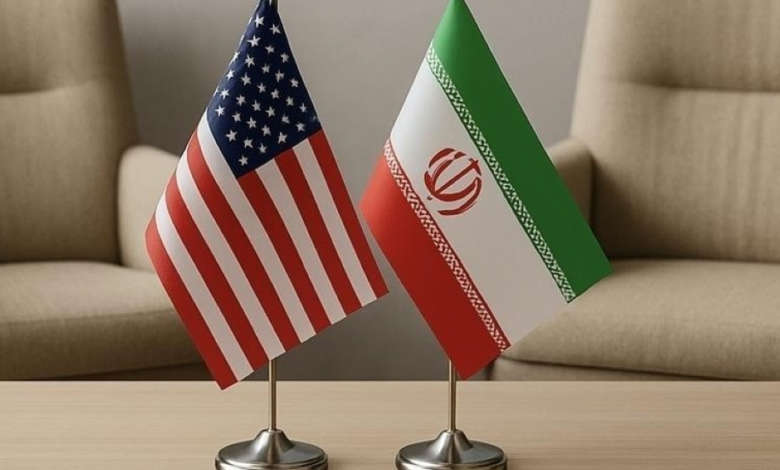

في خطوة دبلوماسية هامة، أعلنت طهران أنها قدمت ردها الرسمي على المقترح الأمريكي الهادف إلى إنهاء الصراع وخفض التوترات في منطقة الشرق الأوسط، وذلك عبر وساطة باكستانية. وتأتي هذه الخطوة في ظل تصاعد المخاوف الإقليمية والدولية من اتساع رقعة النزاع، مما يضع هذه المراسلات غير المباشرة في صميم الجهود الدولية لتحقيق الاستقرار.
ووفقًا لما نقلته وكالة الأنباء الإيرانية الرسمية (إرنا)، فإن الرد الإيراني تم تسليمه يوم الأحد عبر القنوات الدبلوماسية الباكستانية، التي تلعب دور الوسيط في نقل الرسائل بين واشنطن وطهران. ورغم التحفظ على كشف تفاصيل الرد، أكدت مصادر إيرانية أن المحور الأساسي للرد يتمحور حول “وضع حد نهائي للصراع وضمان أمن الملاحة البحرية في الخليج ومضيق هرمز”، وهو ما يعكس الأولويات الاستراتيجية الإيرانية في أي تسوية محتملة.
سياق تاريخي ودور الوسطاء
تعتمد الولايات المتحدة وإيران على قنوات اتصال غير مباشرة منذ قطع العلاقات الدبلوماسية بينهما في أعقاب الثورة الإسلامية عام 1979. ولطالما لعبت دول مثل سويسرا وسلطنة عمان وقطر أدوارًا حيوية في الوساطة. ويأتي دخول باكستان على خط الوساطة كعنصر جديد يعكس علاقاتها المعقدة والمتوازنة مع كل من طهران، التي تشاركها حدودًا طويلة، وواشنطن، التي تعتبرها حليفًا استراتيجيًا. هذا الموقف الجيوسياسي الفريد يمنح إسلام أباد القدرة على تسهيل حوار حساس بين خصمين لدودين.
أهمية الحدث وتأثيره المتوقع
تكتسب هذه المباحثات أهمية قصوى في ظل الأوضاع المتفجرة في الشرق الأوسط. فمنذ بدء الحرب في غزة، شهدت المنطقة سلسلة من الهجمات المتبادلة التي شملت وكلاء إيران في العراق وسوريا واليمن، بالإضافة إلى مواجهة مباشرة غير مسبوقة بين إيران وإسرائيل. ويهدف المقترح الأمريكي إلى احتواء هذا التصعيد ومنع انزلاق المنطقة إلى حرب شاملة قد تكون لها عواقب وخيمة.
- على الصعيد الإقليمي: يمكن أن يؤدي أي اتفاق إلى خفض كبير في أنشطة الجماعات المسلحة المدعومة من إيران، مما يساهم في استقرار دول مثل لبنان والعراق واليمن، ويخفف من حدة التوتر في ممرات الملاحة الحيوية كالبحر الأحمر ومضيق هرمز.
- على الصعيد الدولي: يراقب العالم هذه التطورات عن كثب، خاصة فيما يتعلق بأمن الطاقة. يعتبر مضيق هرمز شريانًا حيويًا يمر عبره ما يقرب من خُمس استهلاك النفط العالمي. إن ضمان استقرار الملاحة فيه يعني استقرار أسواق الطاقة العالمية وتجنب صدمات اقتصادية قد تؤثر على جميع الدول.
الكرة الآن في ملعب واشنطن لتقييم الرد الإيراني وتحديد الخطوات التالية. وبينما يظل الطريق نحو اتفاق شامل محفوفًا بالتحديات، فإن مجرد استمرار الحوار عبر الوسطاء يمثل بصيص أمل لتجنب الأسوأ وإعادة الاستقرار إلى واحدة من أكثر مناطق العالم اضطرابًا.